
Support quality, independent, local journalism…that matters
From just £1 a month you can help fund our work – and use our website without adverts. Become a member today

Plans to make Wales the best place in the UK for British Sign Language (BSL) users moved a significant step closer to becoming law with the Senedd’s unanimous support.
If ultimately passed, the BSL bill – introduced by the Conservatives’ Mark Isherwood – would end Wales’ status as the only UK nation without specific sign language protections.
Leading a debate on Wednesday December 17, Mr Isherwood said the Senedd supporting the bill’s general principles was a “huge step ahead” for the “vital” legislation.
Mr Isherwood, a disability rights campaigner for decades, explained his backbench bill would introduce legal requirements to promote and facilitate the use of BSL in Wales.
He said the bill, if passed, would be the most progressive piece of BSL legislation anywhere in the UK, recognising BSL is a language in its own right, not a communication support need.
‘Overdue’
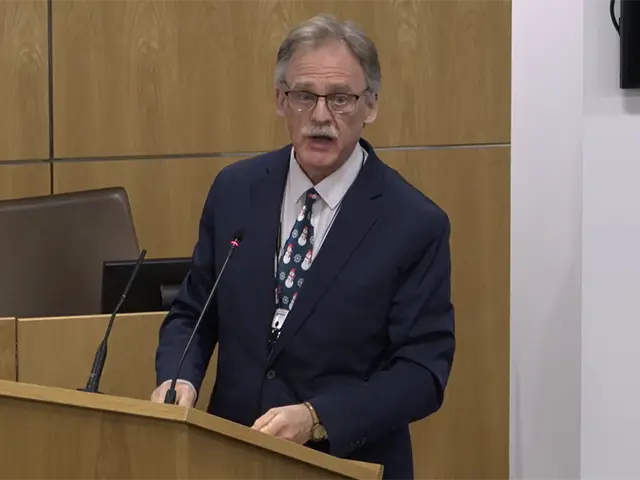
He highlighted that the bill would establish a BSL adviser role, the first statutory post of its kind in the UK, describing its importance as something that “cannot be overstated”.
Mr Isherwood, who chairs cross-party groups on disability and deaf issues, told the Senedd: “This isn’t just my bill. This is the bill of the BSL community. Let’s make this happen together and be proud of it together on behalf of deaf people across Wales.”
Jenny Rathbone, the Labour chair of the Senedd’s equality committee, was convinced of the “overdue” need for legislation to give more standing to British Sign Language.
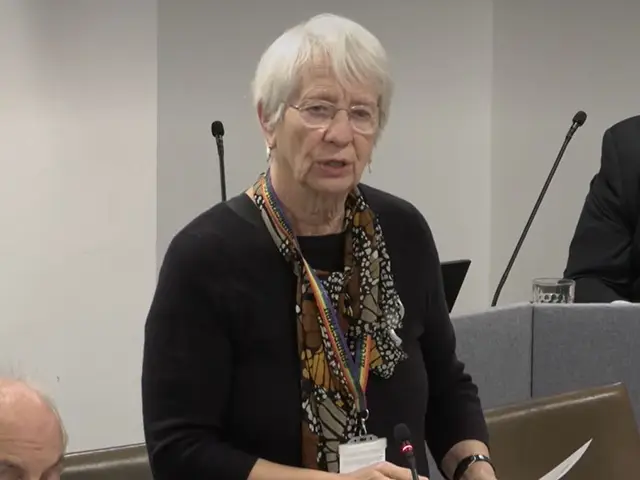
Ms Rathbone said the committee heard the biggest barrier “by some margin” was the availability of interpreters and the sustainability of the workforce.
She quoted a signer who told the committee: “The bill would make us feel respected and valued. But without proper funding, planning and deaf-led leadership, it won’t go far enough.”
‘Excluded’
Sioned Williams, Plaid Cymru’s shadow social justice secretary, told Senedd members: “Language is a part of our identity, our culture and our personal dignity.
“When someone cannot use their language, they are excluded from education, health care, employment and public life – and that is not acceptable in today’s Wales.”
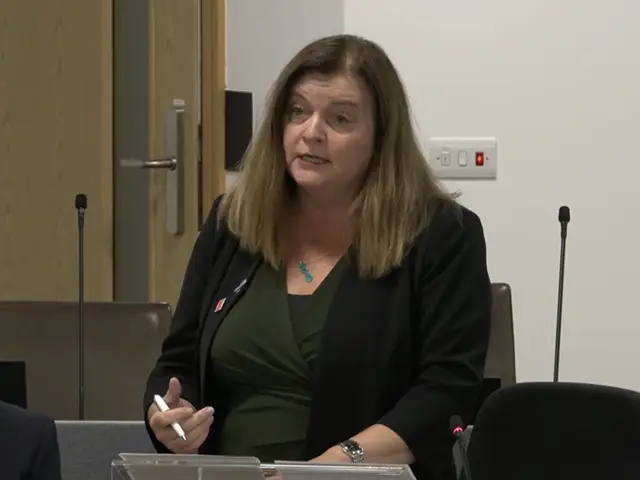
Ms Williams warned that if the legislation fails to deliver real change, the deaf community would be left “angry, disappointed and very, very disheartened”.
She expressed concern that the bill does not legally require the BSL adviser to be a deaf person, arguing it is “not appropriate, possible or efficient” for non-signers to lead the way.
Mr Isherwood defended the decision not to require that the adviser must be deaf, warning a successful legal challenge to a single such provision could cause the entire bill to fail.
‘Crisis’
Welsh Liberal Democrat leader Jane Dodds warned of an immediate workforce crisis, with only 54 registered sign language interpreters in Wales as of July.
With many now approaching the end of their working lives, she said: “We cannot – we must not – allow this bill to fail because we didn’t have the foresight to address this crisis now.”
Support for the bill stretched across the political spectrum, with Reform UK’s Laura Anne Jones similarly welcoming the “long-overdue” and “vital” legislation.
Jane Hutt, Wales’ social justice secretary, confirmed the Welsh Government’s financial backing, committing £214,300 for the bill’s first year of implementation in 2026/27.
If it clears the final hurdles, Mr Isherwood’s proposal will be the first backbench bill to enter the statute book in about a decade following the Nurse Staffing Levels (Wales) Act 2016.
Support quality, independent, local journalism…that matters
From just £1 a month you can help fund our work – and use our website without adverts.
Become a member today