
Gwent’s NHS chief has refused to rule out cuts to services in response to the health board moving one step towards special measures.
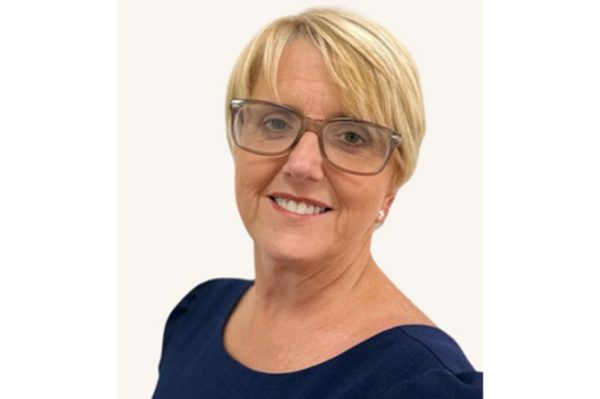
Aneurin Bevan University Health Board (ABUHB) chief executive Nicola Prygodzicz said it isn’t expected it will have to reduce any services “in the short term” but warned “all options” to reduce costs will be on the table in future.
Welsh health secretary Jeremy Miles announced this week he was escalating intervention at ABUHB due to its “rapidly” deteriorating financial position and a “failure to deliver” improvements to emergency care at the Grange Hospital in Cwmbran.
As a result the board, responsible for all of Gwent’s hospitals and NHS services, has moved up from level three to level four on the Welsh government’s five-point intervention scale.
The health board has been grappling all year with rising costs that meant it had to abandon its agreed “balanced” budget as it couldn’t avoid sinking into the red with its costs more than its agreed funding.
Latest figures show it expects to finish the financial year, in March, £18.3 million in deficit and that is despite it having already achieved more than £40m in savings with a further £2m considered achievable.
Cuts to services could result in longer waiting times for patients, which would be at odds with the Welsh Government’s targets to reduce them.
Ms Prygodzicz said: “We are not expecting any intervention to reduce patient services in the short term, but all options to reduce costs and improve the deficit position will be considered for the future. Where these options impact patient services, a quality impact assessment will be undertaken and board approval required.”
She said the board will “work closely with Welsh Government” on addressing its finances and emergency care which she described as “the same challenges facing all health boards in Wales”.
She also said the issues that have forced the escalation were already identified by the board as priorities and said: “We have made positive progress over recent months, although acknowledge there is much more to do. We have strengthened local management arrangements to continue to drive the improvements necessary.”
Mr Miles said direct intervention by the Welsh Government and the NHS Performance unit will “improve the timeliness and quality of urgent and emergency care” for people in Gwent.
Ms Prygodzicz said the emergency department at the Grange is currently under pressure due to winter illnesses affecting staff and patients.
She said: “We are continuing to experience sustained pressure at The Grange University Hospital’s Emergency Department, as well as across our entire hospital system. The increase in the prevalence of winter illnesses across our communities has resulted in large numbers of patients presenting with respiratory viruses and high levels of staff sickness, which are both placing further pressure on our services and our staff.
“This situation is no reflection on our amazing hardworking staff, who are showing incredible skill and dedication to continue to provide safe, high-quality care for our patients and communities at a time of unprecedented NHS pressures.”
Politicians have expressed concern at how the escalation process, which is described by the government as a form of support, has become the norm within the Welsh NHS.

Conservative Senedd Member Natasha Asghar said: “The problems within our health service have been known for quite some time, yet it appears Labour politicians in the Senedd are either reluctant or totally incapable of doing anything to fix the system.
“The Welsh Government must now finally declare a health emergency and focus all efforts on improving outcomes for patients, driving down shamefully high waiting lists, and turning our health service around.”
Plaid Cymru’s Delyth Jewell complained services are “over centralised” and said: “When Caerphilly Miners’ Hospital was closed, the Rhymney valley was promised a replacement general hospital, but Ysbyty Ystrad Fawr was downgraded to be a minor injury unit only.
“This overcentralisation of services has left us in a situation where too many people have to travel for too long to receive emergency care, and then wait for far too long when they get there. Almost every week, I am contacted by constituents who’ve faced desperate situations when trying to access care, and it is simply not acceptable.”
Support quality, independent local news Help fund public-interest journalism in Caerphilly County Borough from just £1 a month and enjoy an advert-free website experience. Become a member today →