
Support quality, independent, local journalism…that matters
From just £1 a month you can help fund our work – and use our website without adverts.
Become a member today
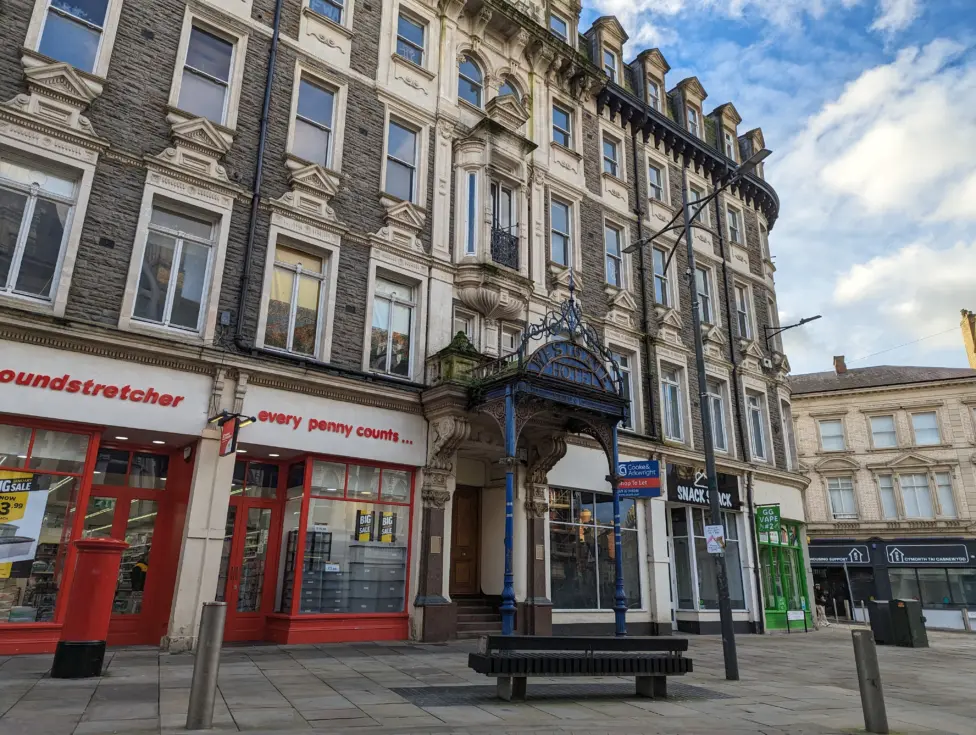
Discussions are ongoing over the future of Newport’s Westgate Hotel, an important landmark in the history of the Chartist movement and the struggle for democracy.
The hotel was at the centre of the 1839 Newport Rising, when soldiers clashed with Chartist demonstrators who were marching for greater voting rights.
In more recent years, the city-centre building has fallen out of permanent use and has suffered problems with decay, trespassers and vandalism.
“The building is a fabric of Newport’s great history and heritage,” said city councillor David Fouweather, adding the events of 1839 “turned the hotel into an enduring national symbol of the struggle for working-class democratic rights and a central landmark in Wales’ rich heritage of political reform”.
In a question to the council’s cabinet, Cllr Fouweather called for an update on talks between the hotel’s owners and the local authority, following previous reports of “lengthy discussions” over future plans.
The Conservative councillor suggested the council should also speak with hotel firms to gauge interest in reviving the privately-owned listed building.
“Has the council initiated any contact with potential suitors for the Westgate who could take on the lease there, such as Premier Inn, Ibis Budget, Easy Hotel, Holiday Inn Express or even Wetherspoons, who do own a chain of hotels?” he asked.
“Only as recently as 2024, Premier Inn was looking to expand in South East Wales.”
In response, Cllr James Clarke, the cabinet member for regeneration, said: “I can confirm that discussions are ongoing with an interested third party. Whilst I am not able to share details of discussions to date due to commercial confidentiality, it is positive that considerations are ongoing.”
When the council published its placemaking plan for the city centre last year, it included a desire to find a new use for the Westgate Hotel that “reinstates its former glory and acknowledges its historical significance”.
Any new use would have to meet community needs and support local growth, and could possibly serve as a cultural, social or commercial space.
In the plan – which sets out overarching aims for regeneration and investment – the council used the example of a chain of boutique hotels in the United States, which “offer visitors a unique opportunity to immerse themselves in the city’s culture through contemporary art installations, seamlessly blending the worlds of art and hospitality”.