
Support quality, independent local news Help fund public-interest journalism in Caerphilly County Borough from just £1 a month and enjoy an advert-free website experience. Become a member today →
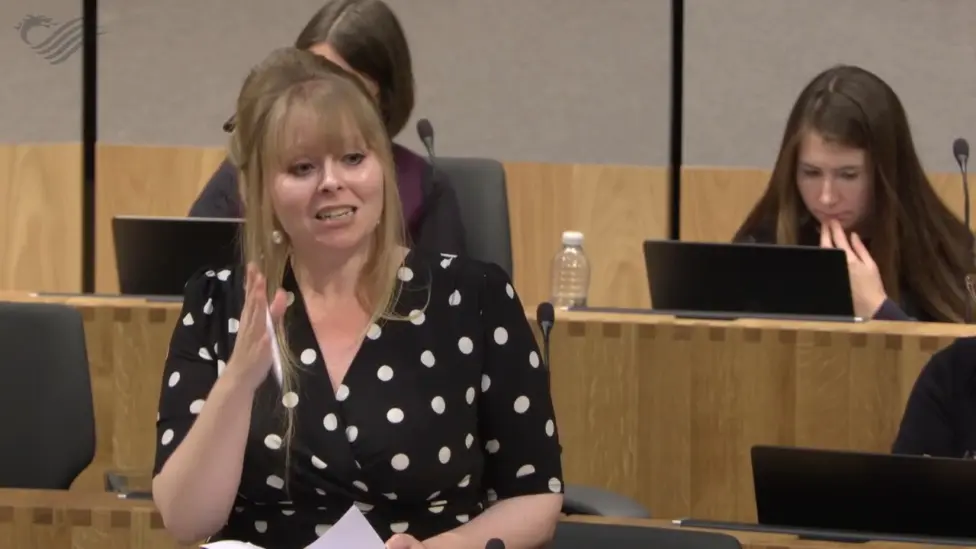
Parents must be treated as “vital to the care team” and not as visitors when their child receives neonatal care, Wales’ women’s minister has said.
Updating the Senedd on Tuesday September 29, on a programme designed to drive up standards, Delyth Jewell told members that around 2,800 premature and sick babies across Wales receive neonatal care every year.
The Bliss Baby Charter was established in 2005 by the charity Bliss to set out rights for premature and sick infants.
In September last year, the then Welsh Government, under Labour, provided almost £100,000 to the charity to establish a national neonatal service improvement programme for Wales.
Ms Jewell confirmed that funding for the programme will continue this financial year, up until March 2027, to help neonatal units progress through the charter.
The Blaenau Gwent Caerffili Rhymni MS said: “For many families, admission to a neonatal unit is one of the most fraught experiences they will ever have to face. Parents may spend weeks or months in hospital dealing with daily uncertainty about their baby’s health while they balance travelling to and from the hospital, their job, any other caring responsibilities they have, their family life.
“In those most difficult of circumstances, the care and support that families receive has a lasting impact. Parents need clear information, they need practical and emotional support, and they need to have meaningful opportunities to be involved in their baby’s care.
“Parents should never be treated as visitors but as vital to the care team.”
She concluded: “The progress being seen through the Bliss baby charter shows what can be achieved when families, clinicians, health boards, the third sector, and government work together with a shared purpose.
“We remain committed to supporting neonatal services across Wales to continue this journey to deliver the highest standards of care.”
“Entire world”
When a baby is born premature or seriously ill, neonatal care becomes the parents’ “entire world”, Reform’s new shadow minister for children and young people said.
Catherine Cullen, also of Blaenau Gwent Caerffili Rhymni, quizzed the deputy minister on how her statement “represents measurable change” and asked why none of the units in Wales had yet reached the top gold and platinum levels of accreditation, seen elsewhere in the UK.
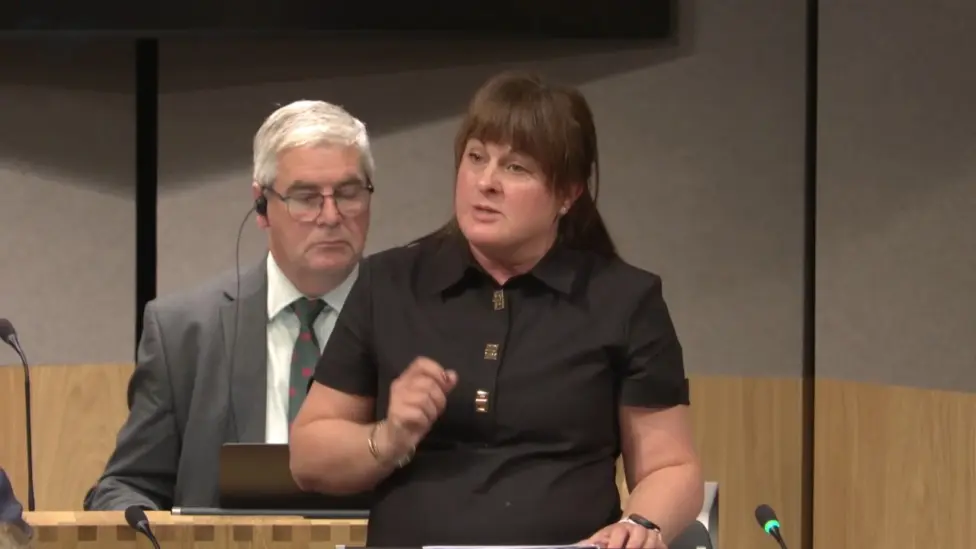
“For a government that talks about ambition, where is the ambition for these little ones?” she said.
“Can the minister pledge that at least one neonatal unit in Wales will become gold or above, and an accredited centre, within the term?”
Ms Jewell responded that all nine neonatal units in Wales are engaged with the charter, with six achieving bronze status.
Singleton Hospital, in Swansea, and Wrexham Maelor Hospital have gone one step further and achieved silver accreditation, and Ms Jewell said it was her ambition to see units advance higher.
Long-term funding questions
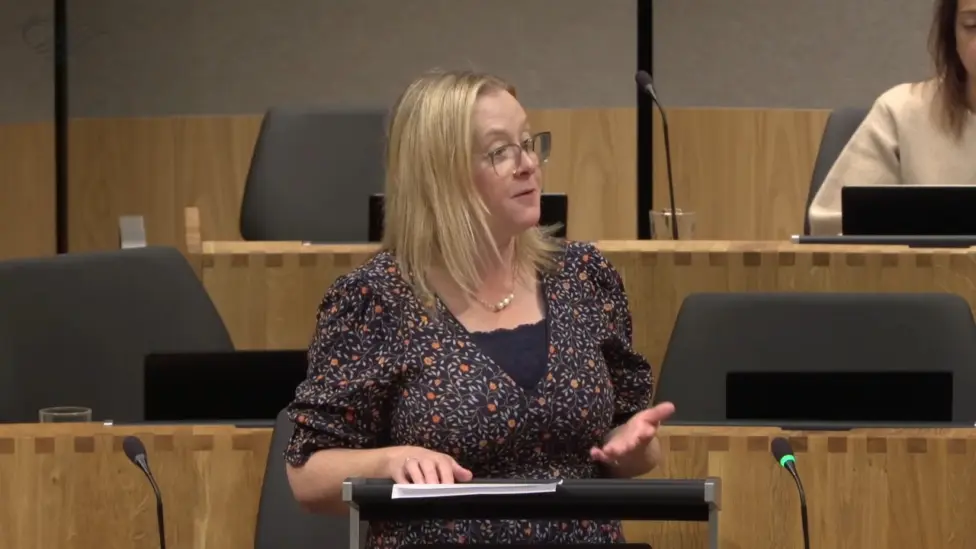
Labour’s former minister for early years, Jane Bryant of Casnewydd Islwyn, noted how “unbearably difficult” the admission of a baby to a neonatal unit can be for families.
She welcomed the deputy minister’s commitment to continuing the Bliss Wales programme, but pressed on whether funding would continue beyond March.
Ms Jewell said this was being considered as part of “broader maternity, neonatal programme planning and spending decisions”.
“Incredibly frightening”
Natasha Asghar, the Conservative spokesperson for health and care, emphasised her party’s “unwavering support” for “any action being taken to improve neonatal care in Wales”.
She stressed the importance of support for families, after discharge, and raised concerns over mental health.
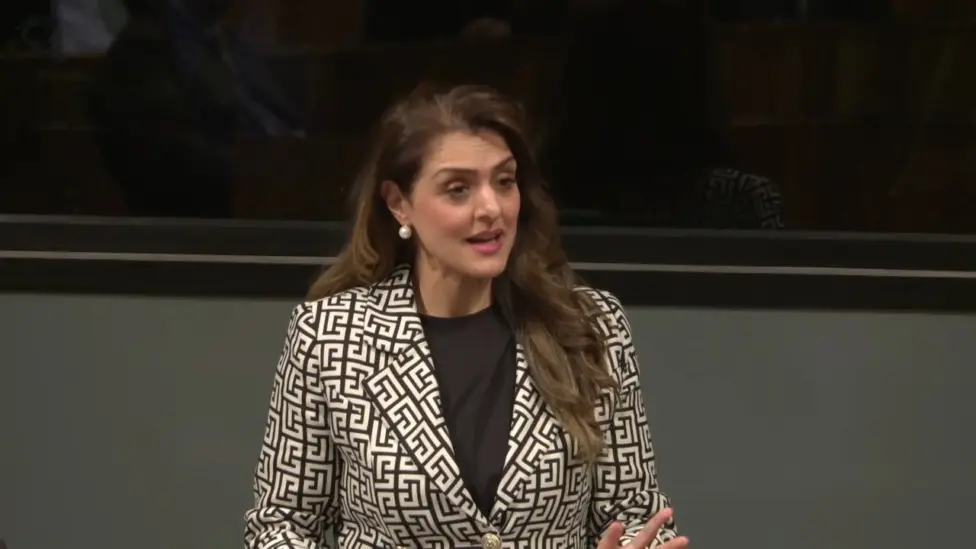
Referencing charity The Smallest Things, the Casnewydd Islwyn MS said less than a third of parents had received formal emotional support after leaving a neonatal unit.
She said: “Just one in five parents agree that their GP understands their or their baby’s needs, and a little over a third felt that their health visitors understood their and their baby’s needs.”
Responding, Ms Jewell said it was about making sure specialist psychological care is available to parents and families, regardless of their baby’s outcome.
She said: “It can be a deeply traumatic – I can only imagine – experience for parents to come close to losing a baby as well, so they will need that wraparound care.”