
Support quality, independent, local journalism…that matters
From just £1 a month you can help fund our work – and use our website without adverts. Become a member today
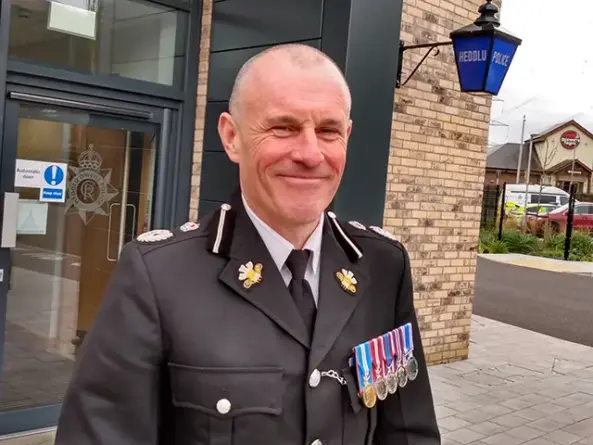
Gwent’s police chief has said a rejected 6.99% precept increase would have helped the force maintain ongoing improvements.
The increase, proposed by Gwent police and crime commissioner (PCC) Jane Mudd, was last week vetoed by members of the region’s police and crime panel – a cross-party group drawn from four of Gwent’s five local authorities, including Caerphilly.
Why is Caerphilly in Gwent?
Caerphilly County Borough was formed on April 1, 1996, by the merger of the Rhymney Valley district of Mid Glamorgan with the Islwyn borough of Gwent.
Administratively, for local services such as the police and health, the borough now falls under a wider region referred to as Gwent. This comprises the council areas of Caerphilly, Newport, Torfaen, Blaenau Gwent and Monmouthshire.
Council taxpayers would have been required to meet the increase in the police precept, which is added on top of council tax bills, had the proposals not been blocked.
The increases would have worked out at around £26.37 extra a year for the average band D home.
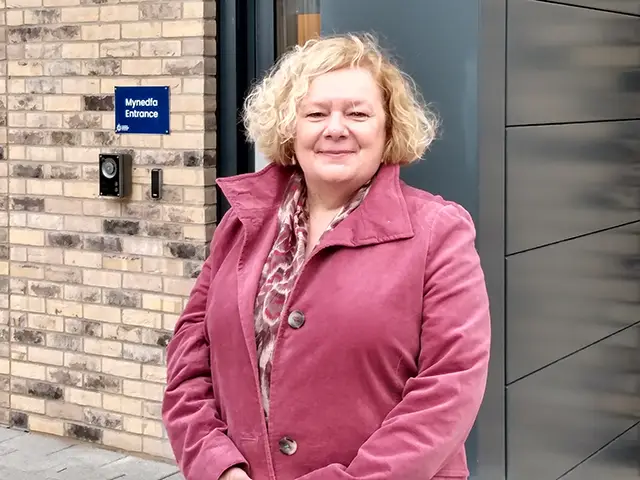
Ms Mudd now has until Sunday February 15 to put forward a revised precept proposal, along with a response to the police and crime panel.
Gwent Police Chief Constable Mark Hobrough said the additional funding would have been used to support continued improvements.
But the police chief said he recognised the panel’s regards for affordability. He also promised not to “step back” on neighbourhood policing and vowed continued improvements.
‘I wouldn’t want us to step backwards’
CC Hobrough said: “I thanked [the panel] for their investment last year and I asked them to give real, careful consideration to what was being requested by the PCC, because it would allow us to make those necessary investments in those areas to carry on that journey.
“Whatever comes back my firm commitment is we’re going to carry on that journey in a positive way.”
The chief constable said he appreciated the panel’s “very positive” feedback on the force’s achievements in 2025 and its plans for this year, which he called “really encouraging”.
But he added: “What I would say is we’ve made massive strides in 2025 and I wouldn’t want us to step backwards in relation to that. I have no intention, whatever funding comes in, of stepping back on neighbourhood policing – that is something I’m passionate about and is close to my heart. That is my absolute priority.”
He pointed to achievements over the last 12 months, including the force consistently being in the top five, of 43 forces, on the way 999 calls are dealt with, and answering 97% of 999 calls in under ten seconds.
The abandonment rate of calls to the 101 non-emergency number reduced to 9%, from 45%, with waits down from 14 and a half minutes to 90 seconds.
Mr Hobrough said the force attends more than 80% of emergency, and more than 87% of priority calls, within the 15 minute and one hour requirements.
“We’re hitting all our metrics at a really high level,” he said. “At the same time we’ve invested in a community action team to address the worst areas on antisocial behaviour and crime within the force and to rotate that around.”
After Ms Mudd has presented her response and revised precept to the panel, it must also respond to her – but it cannot veto the commissioner’s precept proposal a second time.
She must respond to the panel’s report by Sunday March 1 and then a revised precept can be issued.
Support quality, independent, local journalism…that matters
From just £1 a month you can help fund our work – and use our website without adverts.
Become a member today