
Support quality, independent, local journalism…that matters
From just £1 a month you can help fund our work – and use our website without adverts. Become a member today

Assisted dying services could be made available on the Welsh NHS after receiving the backing of Senedd Members.
Last summer, MPs in Westminster voted to legalise assisted dying for terminally ill people in England and Wales, with that bill currently going through the House of Lords before it can officially become law.
As part of that law, the Welsh Government would get powers to set rules for assisted dying services in Wales.
On Tuesday February 24, Senedd Members voted 28-23 to ensure those services would be available on the Welsh NHS should the law be approved in Westminster.
Had MSs voted against, those services would not be available on the Welsh NHS – but could still be provided by the private sector in Wales.
Opening the debate on Tuesday evening was Wales’ health secretary, Jeremy Miles – who voted against the motion.
He described it as an “exceptional issue” that “each of us will have our views on” but reiterated the vote was “not a referendum on legalising assisted dying in Wales – only the UK Parliament can make that decision”.

Plaid Cymru’s shadow health secretary, Mabon ap Gwynfor – who also voted against – said the vote was not about “deciding whether assisted dying is right or wrong” but about “how it would operate within our devolved responsibilities”.
‘Soften the reality’
Welsh Conservative group leader Darren Millar said the Senedd was “effectively being asked to sign a blank cheque” regarding the law, with more than 1,000 amendments to the law still under consideration.
His Tory colleague, Sam Rowlands, said: “Some of the issues that are the subject of amendments are issues that we in Wales would at least want a view on and are absolutely fundamental to devolved areas of competence.”
Mr Millar, who voted against the motion, also spoke passionately about his opposition to assisted dying. He said: “While the term ‘assisted dying’ is used by many to soften the reality, we are actually talking about assisted suicide.
“Language is the lens through which we view morality, and by sanitising the vocabulary, I do think that we risk masking the true gravity of the principle that this particular piece of legislation supports – and that principle is state-sanctioned provision of lethal means for a citizen to end their life.”
Mr Millar, who pointed to his Christian faith during the debate, added: “One of the main threats posed by assisted suicide laws is the danger that people living in abusive situations will be coerced into ending their lives. And I believe that that’s a very, very dangerous loophole.”

However, Labour MS Lee Waters reminded Mr Millar that the vote “has got nothing to do with any of that” – and added: “If this Senedd withholds its consent, all it will do is make it more difficult to design public services in Wales in a thoughtful way.”
“Less safe, less protected, less valued”

Speaking during the debate, Plaid Cymru MS Delyth Jewell urged members to remember those “not surrounded by love” – including disabled, poor, lonely, or abused people – who could feel pressured to end their lives “not to be a burden”. She warned that in countries where assisted dying is legal, vulnerable people have become “less safe, less protected, less valued”.
The South Wales East MS, who voted against the motion, also said the bill risked putting a “cruel” obligation on doctors and could leave patients feeling death was their duty: “I am not talking about people who want to die, but people who might want to live.”
‘Specific services for a specific group’
But Labour’s Julie Morgan said disabled people “have led the fight for assisted dying”, and said rejecting the motion would be “an abdication of responsibility”.
Ms Morgan continued: “Should the Senedd reject the [motion], these powers would not come to the Senedd… and the Welsh clauses would be removed from the bill.”
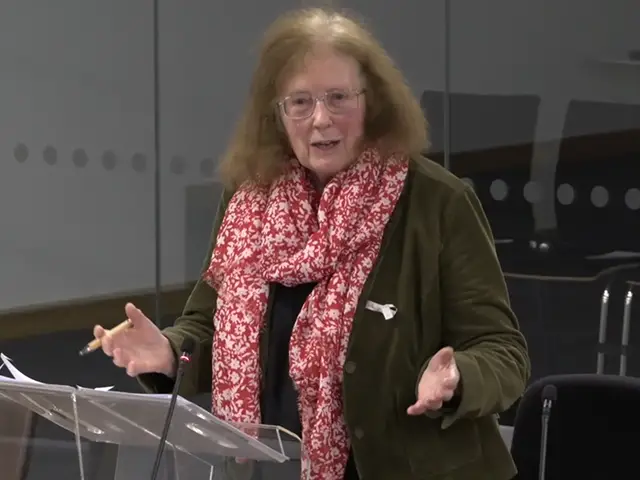
The Cardiff North MS pointed to estimations that “about 40 people” in Wales would want to have an assisted death in the first six months of the law being introduced: “We’re not talking about a huge development; we’re talking about specific services for a specific group of people.”
“Need to confront this issue properly”
Plaid Cymru’s Heledd Fychan, who tabled the motion, said: “I’ve heard horrific examples of people dying in pain without the right support and without dignity.
“I’ve also heard from the family members of people who’ve chosen to commit suicide or go to Switzerland, without their family knowing, to end their lives.”
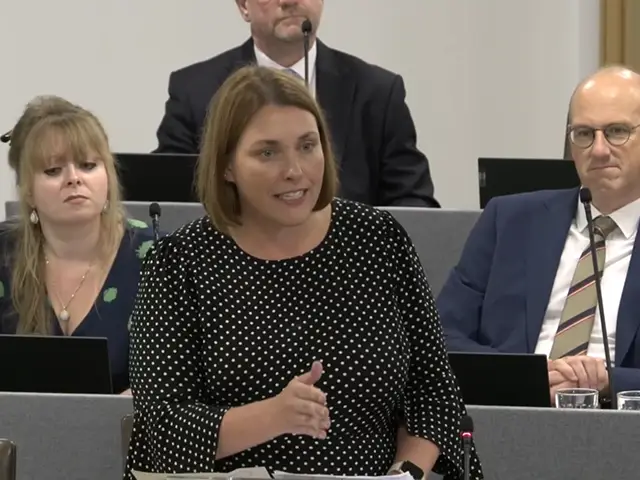
She continued: “Constituents of mine have been left traumatised, have been arrested, as they were suspected to have assisted a suicide, even though they hadn’t, and it’s clear to me that we need to confront this issue properly in Wales.”
‘Must be done properly’
Reform’s James Evans, who abstained alongside his party colleague Laura Anne Jones, said: “If assisted dying is to become lawful, it must sit alongside and never replace a strong, properly resourced and accessible palliative care sector.
“No person should feel that assisted dying is their only realistic option because hospice services are stretched and pain management is insufficient.”
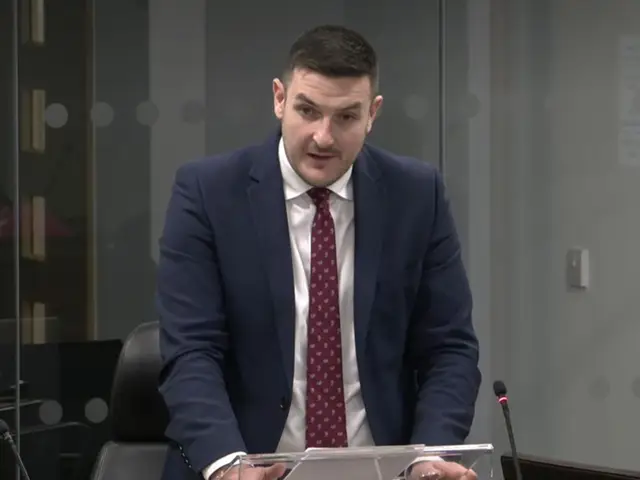
Mr Evans said while he supports the principles of assisted dying, his decision to abstain “reflects the view that reform, if it comes, must be done properly and on the basis of final, fully scrutinised legislation that impacts on people’s lives”.
He continued: “For that reason, it’s with a very heavy heart that I say this to my constituents, the people who’ve contacted me, and my own conscience: I will be abstaining on the motion today in the hope that, in the future, the finished legislation will provide me and others with the full confidence to support this bill.
“Because people should have the option to choose how to end their own life.”
Support quality, independent, local journalism…that matters
From just £1 a month you can help fund our work – and use our website without adverts.
Become a member today