
Support quality, independent, local journalism…that matters
From just £1 a month you can help fund our work – and use our website without adverts. Become a member today

A terminally ill 22-year-old was refused service at a Caerphilly pub after staff mistook the symptoms of his rare neurological condition for drunkenness.
JD Wetherspoon has since issued a public apology to Matthew Ball, who has Niemann-Pick disease type C, after he was asked to leave the Malcolm Uphill on Saturday August 22.
The family has yet to be contacted directly by the pub chain.
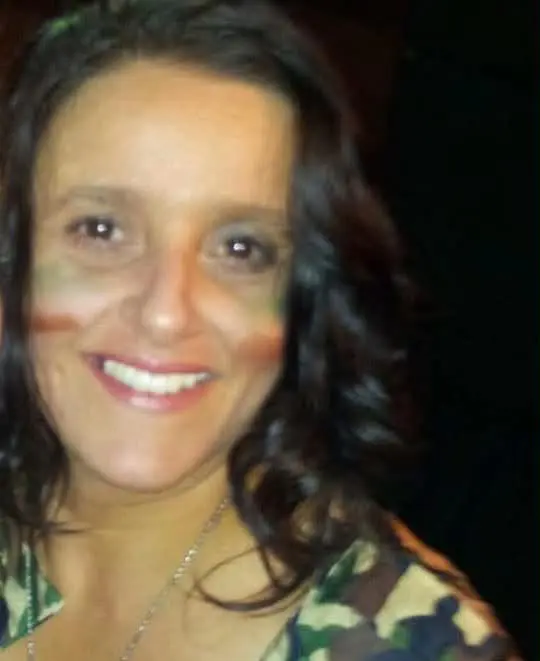
Matthew was visiting the town centre pub to mark what would have been the 54th birthday of his late mother, who died in 2017.
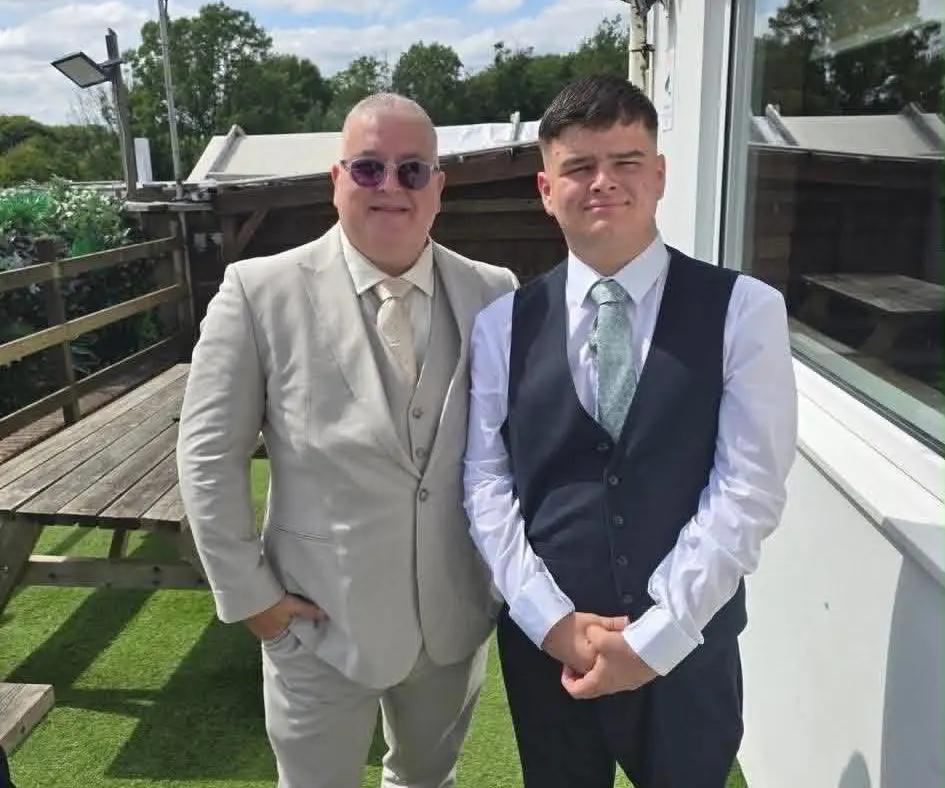
Despite showing his disability card to door staff upon entry, a different member of staff at the bar later refused to serve him, believing he was intoxicated. His condition affects his speech, balance, and mobility.
“Matthew wasn’t drunk. He was displaying symptoms of his neurological condition,” his sister, Abby Ball, said. “He showed staff and security his disability card, yet he was still treated as though he was simply intoxicated.”
Niemann-Pick disease type C is a rare, life-limiting illness. Abby said the condition has completely changed her brother’s life, causing him to suffer falls and broken bones, and leaving him unable to work.
A spokesperson for JD Wetherspoon said: “After discussing his medical condition with a member of door staff, Mr Ball entered the pub on August 22, and bought a pint.
“When Mr Ball approached the bar to purchase a further drink, during a busy trading period, a different member of staff mistakenly thought the customer had too much to drink and he was refused service.
“The company apologises to Mr Ball and looks forward to Mr Ball and his family returning as customers in the future.”
The family claims this was not an isolated incident, stating Matthew has previously experienced similar treatment at other venues.
Abby said the family was “heartbroken” by the ignorance her brother faces.
“He should not have to lose even more of his freedom because people mistake the symptoms of his disability for drunkenness,” she added.
“I understand that pubs have a responsibility to keep their customers safe. But surely there also has to be an understanding that not every person who appears intoxicated has been drinking.”
The family is now calling for improved disability awareness among hospitality staff so those with medical conditions are treated with dignity.
Support quality, independent, local journalism…that matters
From just £1 a month you can help fund our work – and use our website without adverts.
Become a member today