

Sitting at a polling station for 15 hours at a time isn’t for everyone, but one man has been doing it at practically every election held over the past 30 years.
Tim Keohane is the senior trading standards officer at Caerphilly County Borough Council, and just as he has done so many times before he will be manning a polling station.
Tim’s first experience was as a polling clerk in the late 1980s while working at Gwent council, where he started his council career in 1981.
He said: “I had been at Gwent council for a couple of years when I received an email looking for volunteers for the upcoming election.
“I was a polling clerk in a garage in a residential home where they stored a lot of things.”
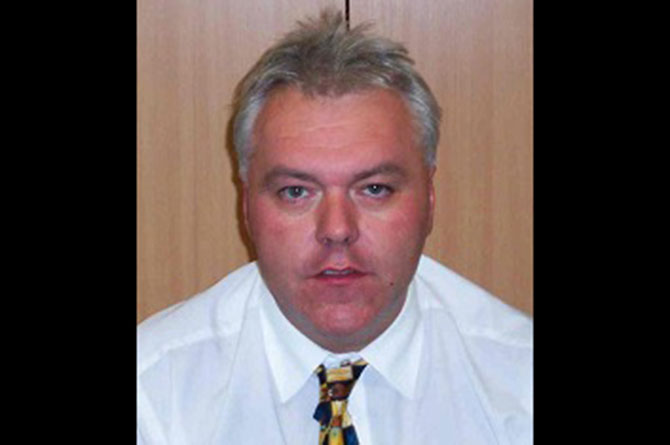
On December 12, when we cast our votes in the General Election, Tim will be a presiding officer at a polling station in the borough.
Along with all the other presiding officers and poll clerks, Tim’s day will start at around 6.30am, although he says he likes to get there a bit earlier if possible.
“You never know what might happen, it is always better to get there a little early,” he said.
Once everything has been set up, Tim will be responsible for opening the doors at 7am to the public, along with his polling clerk.
From then until 10pm it is his job to sit and wait for people to arrive so that he can direct them on where and how to vote and provide support when necessary.
It’s a long day, 15 hours of sitting around plus time to set up and close the polling station. Some polling clerks and presiding officers go onto the count afterwards.
Although Tim won’t be doing it this year, he has covered both a count and a polling station in the same election.
He said: “I have been at the polling station during the day and then gone on to work on the count at night.”
“It’s a long day but there are several people who do both.”
As a presiding officer, Tim will oversee his polling station, which is one of 133 across the county borough.
He will be joined by a polling clerk, who is usually less experienced in covering elections.
Despite 30 years’ experience in the role, Tim has to attend a training session along with the other presiding officers and poll clerks.
Speaking about the changes in the last 30 years, Tim said: “It’s only in the last 15 to 20 years that training has come into it.
“When I first started, we learnt on the job.
“It may be our responsibility to see everything through on the day but it’s all explained thoroughly in the training and we are given a comprehensive manual.
“There’s a lot more organisation these days.”
All presiding officers and polling clerks who do not work at their own polling stations have to apply for a postal vote or a proxy, where someone votes on their behalf.
“There’s no time on the day to go off to your own polling station to vote,” he said.
“You have to remain at the polling station the whole time.”
In a General Election, polling stations tend to have a steady flow.
“There are the really busy times, after work especially, but also before work,” he said.
“In a General Election it can be constant.
“I have worked at a polling station during a smaller election and not seen anybody for two hours.”
As a presiding officer you have to be prepared for all eventualities and be ready to help anyone who needs it.
Tim said: “We get a lot of questions and every so often there can be some difficult moments but you’re trained to deal with it all.
“There’s a lot of paperwork to fill out with the job and it’s really important we get it right.
“For example, there’s specific paperwork you have to fill out if you have to mark a ballot paper for a blind person, or if someone else marks a ballot paper on behalf of a blind person.”
The majority of the paperwork is done after the polling station shuts at 10pm.
At this stage the presiding officer makes sure that all ballot papers are accounted for and the ballot box is sealed.
Only once the polling station has been shut, the boxes have been sent off and the paperwork completed, can the presiding officers and polling clerks leave.