
Support quality, independent, local journalism…that matters
From just £1 a month you can help fund our work – and use our website without adverts. Become a member today
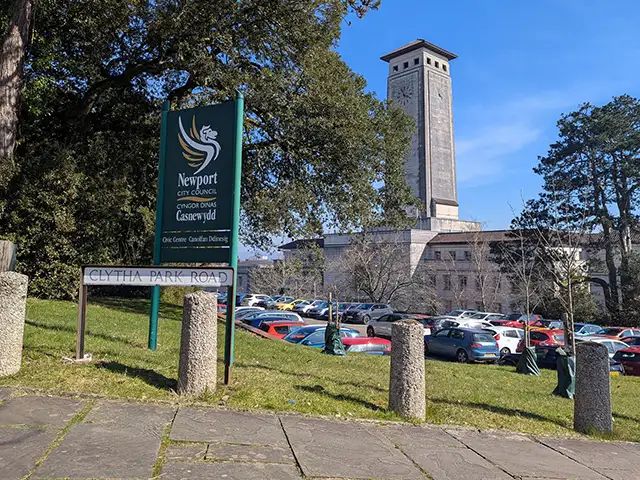
Council tax bills could go up across Newport in April, but the city council’s draft budget proposals have avoided public service cuts.
The local authority has published its spending and saving plans for the coming financial year, including a proposal to raise more council tax.
A proposed 4.9% increase would mean people living in Band D properties pay an extra £78.29 across the course of the year – or around £1.50 more each week.
The council argues most of the city’s residents will pay less, however, because the majority of properties fall in the three lowest tax bands.
Under the draft proposals, council tax bills for the whole year would rise between £52.19 and £69.59 for people living in Bands A-C.
Despite noting Newport’s council tax rates are among the lowest in Wales, the council accepted the proposals would mean “a substantial bill for residents” in 2026/27.
Cllr Dimitri Batrouni, who leads the local authority, often champions Newport’s position as the fastest-growing city in Wales – according to the last census – but said the boom would create challenges.

“Although this strengthens our opportunities for business growth and regeneration and reinforces Newport’s position as the economic engine house of Wales, it also brings rising demand for council services, creating significant pressure points,” he said.
The spending power of Welsh councils largely comes from central funding, and the Welsh Government’s draft settlement for Newport – published in November – once again provided the city with the highest funding increase of any local authority.
That increase “acknowledged our growth and the resulting pressures”, said Cllr Batrouni – but it has not been enough to prevent council tax bills from also going up.
But the council leader argues that income will help it make “significant investments to address growing demand and rising costs in key service areas”.
This includes an extra £813,000 towards housing, where demand for temporary accommodation continues to rise, over what a council report labelled a “lack of suitable long-term accommodation options”.
This has led to a “significant” use of hotels and B&Bs, which come “at a much higher cost than more traditional options”, and which exceed housing benefit subsidy rates.
The council’s budget for next year also proposes an extra £2.25 million for children’s services, to increase “in-house” provision in line with Welsh Government ambitions to remove profit from the care of young people.
An extra £1.27 million could also be allocated to supporting pupils who have additional learning needs (ALN), which the council said would reduce the use of more expensive out-of-county placements.
“By prioritising housing, social services and education we are ensuring that every resident has the support and opportunities they need to thrive,” said Cllr Batrouni. “While we face significant financial pressures, our approach is both responsible and forward-looking – delivering essential services, maintaining low council tax rates, and building a sustainable future for our city.”
The budget includes several other budget proposals, including increases to a range of fees for various services – but aims to largely achieve £3.6 million in savings next year by updating pension budgets.
One full-time-equivalent job could be cut from the council’s regeneration team as part of a proposed restructure, however
Cabinet members are expected to approve the draft budget proposals at a meeting on Monday January 12, before launching a public consultation on the plans later in the month.
Support quality, independent, local journalism…that matters
From just £1 a month you can help fund our work – and use our website without adverts.
Become a member today