
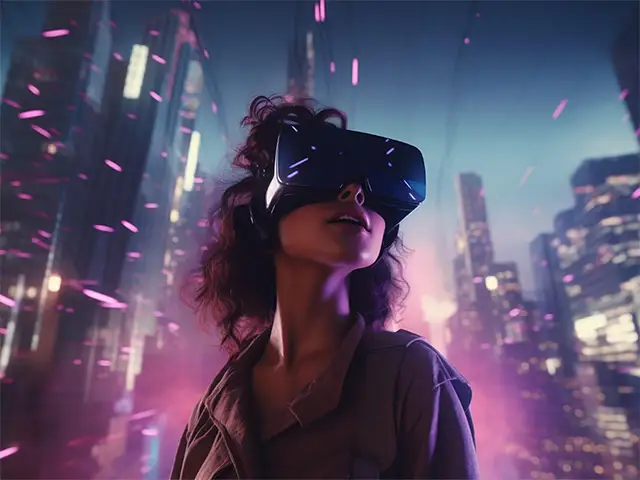
The travel industry changes as more businesses go digital, and this shift has a big impact on companies in the field. When the gambling and gaming industries offer users technology for home adoption, other sectors start using new technology as a marketing instrument. For example, 1xbet original site Saudi Arabia uses real-time data analysis for live betting, allowing users to place bets from home, while the world-renowned hotel chain Marriott offers real-time room tours so potential customers can plan future visits.
Some other examples of how new innovations are changing how travelers explore destinations and plan their trips are the VR Travel Expo, which uses 3D technology and a unique Tire Menu interface to create an immersive experience for travel planning. Similarly, Glome helps people appreciate and understand heritage sites through virtual and augmented reality.
What is Virtual Tourism
Virtual tourism uses technologies like virtual reality, augmented reality, and 360-degree videos that allow people to explore different places and experiences from home. This kind of digital travel lets users:
- Plan trips
- Join educational activities, or
- Enjoy entertainment without being there in person.
It combines the idea of so-called armchair travel, which can include online trips to real destinations to fully immersive experiences in the metaverse. Such digital technologies affect all parts of tourism, from hotel ratings to tourist operators’ package offerings.
Origins: What Led Us to This Point?
Virtual tourism has grown over time mainly due to new technology and changes in culture. Initially, it began with panoramic photography, which let people see 360-degree images of distant places. By the mid-1990s, new software combined these images into simple interactive tours, so users can feel as if they were in another location.
Here is how different organizations started to accept VR:
|
Sector |
Details |
|
Real Estate |
The real estate sector was one of the first to use this technology. It started with basic photo slideshows and later progressed to detailed 360-degree tours. These tours allowed potential buyers to view properties from home. |
|
Cultural Organizations |
Users can choose Google Arts & Culture and other tools to visit online different museums and galleries. This made art and cultural experiences accessible to many who may never visit in person. |
|
Museums and Libraries |
Museums, libraries, and historical sites began to scan and document artifacts and locations to preserve them for future generations. These digital collections offered valuable resources for virtual visitors. They help people explore places and objects that might otherwise be hard to access. |
Over the years, various factors have shaped modern virtual tourism. It began with simple panoramas and online photo tours and has now become a lively mix of technology and culture.
5 Ways Virtual Tourism Shapes the Industry
Virtual reality technology has become very popular, and VR headsets became a common product for consumers. In the travel sector, you can use them in the following ways:
1. Plan Your Trips
With 360-degree video tours you can visit places virtually, and such tours they are useful when you can’t go there in person. Travelers often feel overwhelmed by the many options and it can difficult to make a choice. In this case, interactive virtual tours can help. They show detailed views of attractions. Virtual tourism allows you to see what your trip might be like with Extended Reality experiences. For example, you can check out hotel facilities, get a close look at landscapes, and explore different activities, as well as visit stunning locations from home. As a result, this method helps you plan your trip and lets you start your adventure from your own living room.
2. Access Real Geographic Locations
Virtual tourism allows people to explore places they might not be able to visit in person. In particular, users can:
- Navigate real cities
- See natural wonders, and
- Explore cultural sites.
And they can do it from their homes with interactive tools that recreate these environments. In addition, this type of tourism makes it possible to access locations that are difficult or impossible to reach due to their remote location, danger or limited public access. Moreover, some virtual experiences even offer entry to special areas, like private collections or research sites that are usually closed to the public. As a result, you can see places that are not normally visible.
3. Choose Hotels and Apartments
Many hotel images and videos do not show the true layout and environment of the rooms. In these situations guests often find it hard to get reliable information, especially about accessibility features. Solutions like 360-degree views, virtual tours, and customized room experiences can help you to solve these issues. Virtual reality platforms allow users to explore hotel rooms and get more information. A good example is the Grand Oasis Hotel in Egypt, which uses a VR tour to show you its unique pyramid design and beautiful gardens.
4. Create Self-directed Tours
Augmented Reality changes how travelers can explore their surroundings. For example, AR apps like City Guide Tour will help you to learn about attractions such as museums, galleries, and landmarks, when you visit a new city. Another example is the Street Life app, which offers crowdsourced guided tours. You can view these tours from home or use them for in-person travel, and here you can also share your own photos. In addition, with AR glasses your trips will be more exciting with no need for traditional tour guides.
5. Visit Locations That are Not Real.
Imagine that you are taking a virtual reality tour of Hogwarts School from Harry Potter. Or picture that you are walking through the streets of King’s Landing from Game of Thrones using augmented reality in Girona. You could also cross a suspension bridge between two peaks in the Aragonese Pyrenees as part of Ibercaja’s Frozen Emotion project. Virtual tourism makes leisure and entertainment more exciting and it allows you to visit imagined tourist spots. These new experiences expand the idea of tourism and create fun and surprising adventures.
Virtual Tourism Examples
Virtual tourism is changing from a fun novelty to a practical tool. Organizations and travel companies are now testing immersive experiences that let people explore real sites. This allows users to discover cultural landmarks, beautiful landscapes, and unique activities from anywhere. These efforts give us a glimpse of what travel could look like when we are no longer limited by distance. Here are some popular examples that are driving this change today:
- UNESCO World Heritage VR Initiatives. These programs offer interactive experiences of UNESCO sites, and it helps to protect heritage and make it accessible to more people.
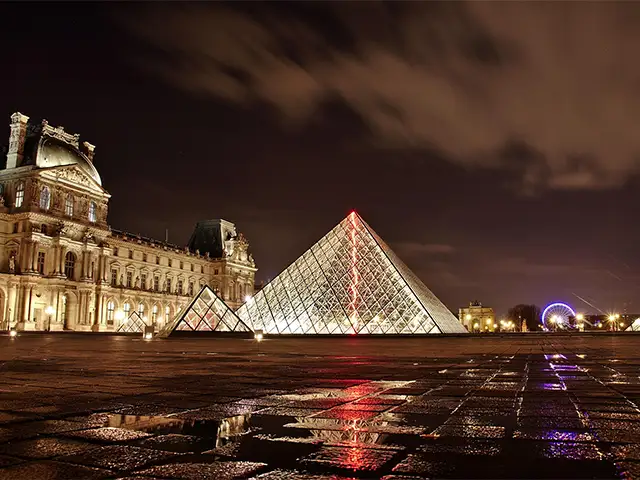
- The Louvre VR. This experience lets you explore famous exhibits, including the Mona Lisa, in detail.
- Smithsonian National Museum of Natural History VR. This platform provides fully immersive and interactive displays for audiences around the world.
- National Geographic VR. This offers immersive experiences of nature, wildlife, and remote places.
- Venice Virtual Tour. You can explore canals, famous landmarks, and historical buildings from afar.
In addition, Mount Everest by Google Expeditions lets you experience climbing the highest mountain in the world, NASA Spacewalk allows you to float in space and explore the International Space Station, and Everest Base Camp & Himalayan Treks offers exciting virtual reality experiences in extreme environments. Also, social and community travel platforms provide shared virtual tours with live guides and chances for group interaction.