
Support quality, independent, local journalism…that matters
From just £1 a month you can help fund our work – and use our website without adverts. Become a member today
By Anwen Elias, Aberystwyth University and Elin Royles, Aberystwyth University
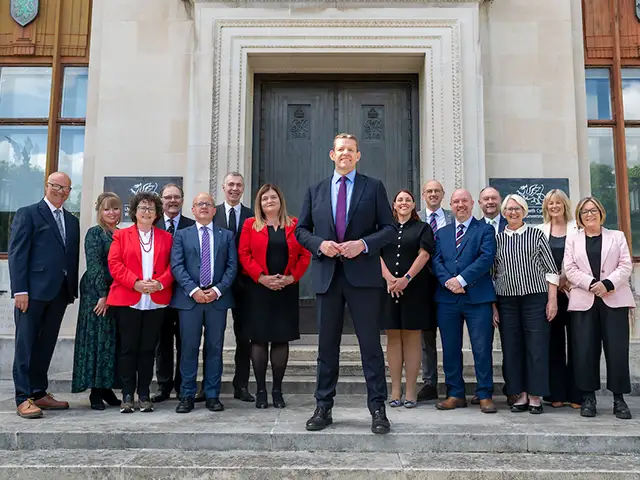
After emerging as the largest party in the Senedd election, Plaid Cymru is now establishing itself as the next Welsh Government. It’s the first administration not led by Welsh Labour since devolution began 27 years ago.
For UK Labour, Plaid’s breakthrough could become one of the most significant constitutional and political challenges of the coming years.
The clearest guide to Plaid’s immediate priorities is its “first 100 days” programme for government. This was published during its February 2026 conference. It includes calls for a new devolution bill to be passed in the UK Parliament, giving Wales the same devolved powers as Scotland and new funding arrangements for Wales.
The party’s manifesto provides more detail on its package of constitutional demands. These include further powers over taxation, policing and justice, welfare, broadcasting, renewable energy, migration, and the Crown Estate.
During the election campaign, Plaid deliberately played down its longer-term goal of Welsh independence in an effort to broaden its appeal beyond pro-independence voters. But now in government, the party will want to begin laying the groundwork for a longer-term constitutional change.
Its manifesto proposes a new national commission for Wales to prepare for a document exploring the challenges and opportunities that independence could bring for Wales. For Westminster, this may evoke comparisons with the SNP government’s Scotland’s Future which was published ahead of the 2014 independence referendum.
Another reset in UK-devolved relations
In the aftermath of the election, Plaid leader Rhun ap Iorwerth said he intended to “take the fight” to the UK Government as First Minister. It reflects the party’s campaign promise to “always stand up for Wales”.
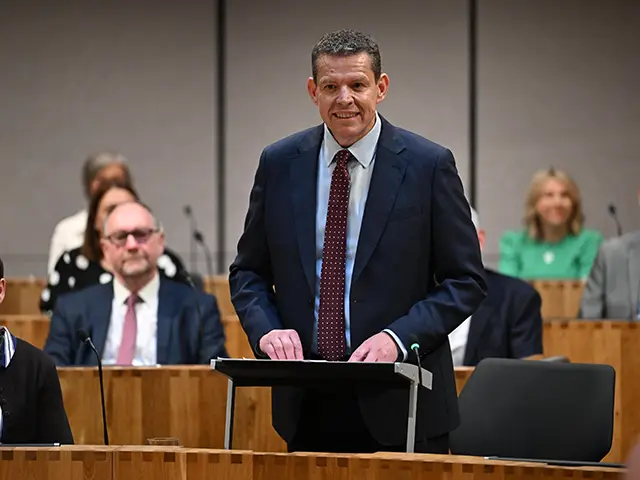
Plaid has also pledged to “reset” relations with Westminster. The UK Labour 2024 manifesto also committed to a “reset” of the UK Government’s relationship with the devolved governments.
Structures intended to improve co-ordination between the UK and devolved governments were introduced in 2022 under the then-Conservative UK Government. These included a council bringing together the Prime Minister and devolved leaders, alongside policy-focused inter-ministerial groups.
The outgoing Welsh Labour government argued that relations had improved since Labour entered power in Westminster in 2024. But it also pointed to examples of “limited or uneven engagement” across some policy areas.
Our research has raised questions about the UK Government’s willingness to make full use of the intergovernmental arrangements.
Plaid now wants those arrangements strengthened and placed on a firmer legal footing. In particular, it supports recommendations made by the Independent Constitutional Commission on the Future of Wales in 2024 to give intergovernmental structures a statutory basis, rather than relying largely on political convention.
The party also wants stronger protections for the Sewel convention. This is the principle that Westminster should seek consent before legislating in areas of policy that have been devolved.
A new alignment among devolved governments
Plaid’s victory could also reshape relationships between the three devolved governments. Co-operation between Wales, Scotland, and Northern Ireland has often been limited. This reflected their different political leaderships and constitutional settlements. But following the 2026 elections, parties supportive of greater national self-determination now lead all three governments.
That raises the prospect of more co-ordinated pressure on Westminster. Rhun ap Iorwerth has already signalled he wants to pursue greater cooperation.
One probable area of shared interest is the UK’s relationship with the EU. As debates over trade, regulation and economic alignment continue, devolved governments may seek a stronger voice in shaping UK-EU policy. Plaid’s manifesto argues Wales should have a “seat at the table” in discussions directly affecting Welsh interests.
Plaid was able to use Labour’s years of partnership with the previous Welsh Government to argue that the UK Government had become increasingly indifferent towards Wales.
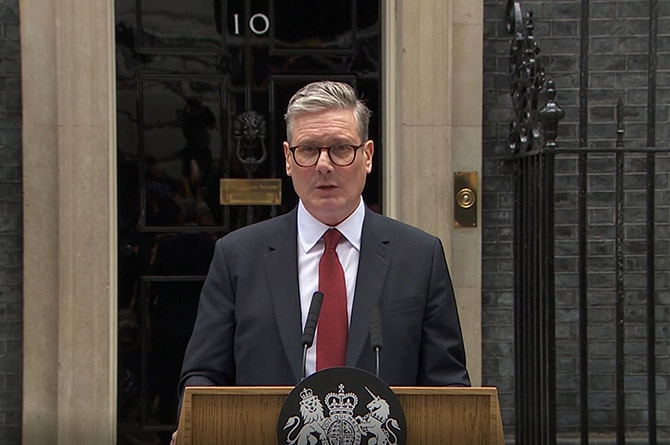
For Keir Starmer’s government, demands for deeper devolution and constitutional reform may struggle to compete with mounting political and economic pressures elsewhere. Some of Plaid’s proposals may remain low on the list of priorities. But there are risks in dismissing them entirely.
A perception that Wales is being ignored by Westminster could deepen political frustration. It could also simultaneously strengthen support for further constitutional change. In the longer term, that may create more fertile ground for Plaid Cymru’s case that a journey to independence is the only option for Wales to achieve its own interests.
Anwen Elias, reader in politics, Aberystwyth University and Elin Royles, reader at the department of international politics and Centre for Welsh Politics and Society, Aberystwyth University
This article is republished from The Conversation under a Creative Commons license. Read the original article.
Support quality, independent, local journalism…that matters
From just £1 a month you can help fund our work – and use our website without adverts.
Become a member today