
Support quality, independent, local journalism…that matters
From just £1 a month you can help fund our work – and use our website without adverts.
Become a member today
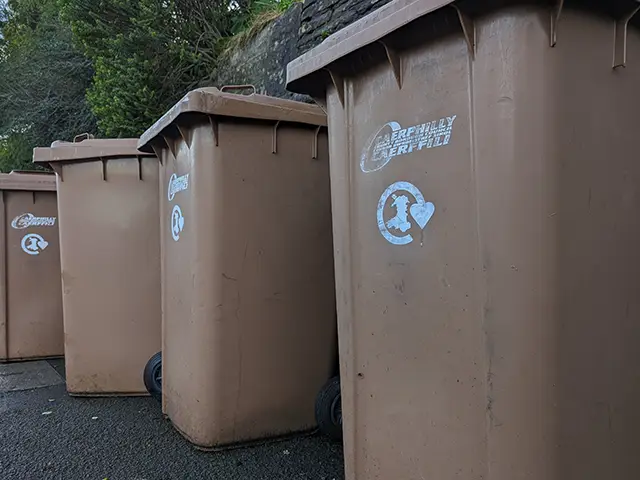
Major changes to waste and recycling services will likely happen across Caerphilly County Borough in 2029, as senior councillors warn there is no other way to avoid huge fines.
The council has proposed three-weekly bin collections and a new system of separating other waste at home, in a bid to drive up the borough’s recycling rates – which in recent years have been among the lowest in Wales.
Meanwhile, it is pinning its hopes on a new waste depot in Ystrad Mynach unlocking the borough’s recycling potential, helping to avoid the looming threat of multimillion-pound Welsh Government fines for poor recycling performance.
Ahead of an election year, the council’s leader and its cabinet member for waste said there was no other choice for the future of recycling in the borough, regardless of who is in charge next May.
The leaders of other party groups in the council have questioned whether the changes are inevitable, however.
Cllr Jamie Pritchard, who leads the local authority, said Caerphilly had previously “resisted” pressure to make wholesale changes to its waste collections, “but the reality is we’re on this journey… and we’ve got to up our game”.
The expected completion of the new waste depot in 2029 will give the council more resources to bring in a so-called ‘blueprint’ recycling system, under which residents are given various containers to sort recyclable materials at home.
Cllr Chris Morgan – the cabinet member for waste – said the blueprint system had been the Welsh Government’s gold standard for many years, and was being carried on by the new Plaid Cymru administration.
Cllr Pritchard said the council had stuck with one bin for mixed recyclables in the belief residents “by and large appreciate the system we’ve got in place”.

He said people would be expected to do more work under the blueprint system, and “you’ve got to be realistic that residents are not going to like it”, even if it leads to better recycling rates.
“There’s no disputing the fact that those councils generally operating the blueprint, which is unpopular with the residents – especially at the start of it – have got higher recycling rates,” he added.
The Welsh Government said the vast majority of councils already use the blueprint system, and adopting it would save Caerphilly money, create jobs, and offer the council opportunities to sell off the materials it separates.
Councils currently have to recycle at least 70% of the waste they collect, and the target was raised several times under previous Welsh administrations.
Caerphilly’s 2029 timeline is also likely to include a change from fortnightly to three-weekly bin collections, for non-recyclable waste.
The vast majority of respondents to a 2024 public consultation on the council’s waste proposals said they would prefer three-weekly bin rounds over four-weekly – but there was no option for people to stick with the current fortnightly system.
“The reality is we’ve been on this journey way slower than others, because we recognise that residents want two-weekly,” said Cllr Pritchard.
“It’s a valued service but that makes it harder to change when we’ve got targets that are increasing all the time. To get to 70% and make no changes would be next to impossible – in fact, it is impossible.”
Both councillors offered the view that local government is under pressure to recycle more or face huge fines for missing national targets, which had been brought in by Labour and now continue under Plaid.
Wales is currently the world’s second-best recycling nation, behind Austria, and Cllr Morgan said he didn’t understand “the rush to be number one in the world at a cost to residents [and] to local councils, when they’re already number two”.

“Why can’t they be happy with that?” he asked, adding he had made similar comments to Welsh Labour ministers when they had been in power.
Previous threats of fines are “in abeyance”, and Cllr Pritchard said the local authority had to take warnings seriously rather than “play poker” with taxpayers’ money.
“We can’t ignore a letter saying you could be subject to ‘x amount’ of millions [in fines] – it’d be a very cavalier attitude to do that,” he added.
Cllr Charlotte Bishop, who leads the Plaid group in the council chamber, said she doubted whether the council’s proposals were “the only option”, but could not rule out future change if it was necessary.
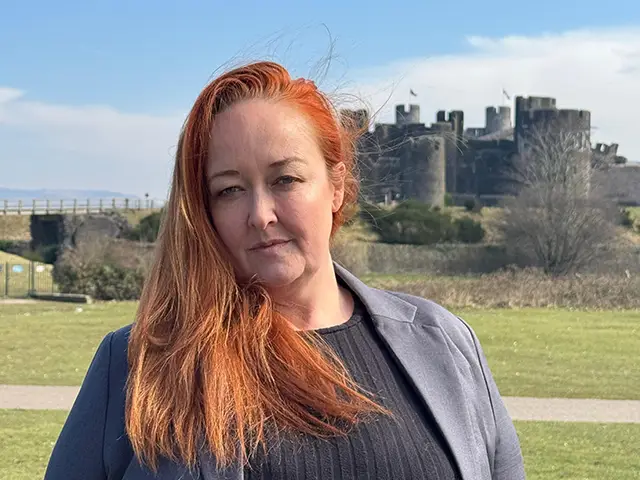
She said the council “should first look at improving the system we already have – increasing recycling, reducing contamination and encouraging re-use”, rather than “pre-determining” 2029 policies that should be left to whoever is in power after next year’s elections.
Cllr Nigel Dix, the leader of the council’s independents, said work on educating non-recyclers and enforcing the rules should be continued rather than making wholesale changes to the system – which he claimed would make things harder for people who already recycle.
He also raised concerns about the costs of the new changes, including council borrowing to part-fund the new waste depot, and whether they made financial sense.

A Welsh Government spokesperson defended the blueprint system, and said “the higher the quality of recycling and more recycling local authorities collect, the less costly residual waste needs to be collected and disposed, and the more high-quality material can be fed back into our economy.”
“Wales is a global leader in recycling because of our implementation of our separated recycling approach,” they added.
“Not only does moving to a system which collects recycling separately at the kerbside save on costs for local authorities, it also improves material quality and delivers important economic benefits which are already generating investment in our economy.
“These include the creation of green jobs, increased supply chain resilience, and reduced reliance on imported raw materials and the pollution and biodiversity loss associated with their extraction.”