
Support quality, independent local news Help fund public-interest journalism in Caerphilly County Borough from just £1 a month and enjoy an advert-free website experience. Become a member today →
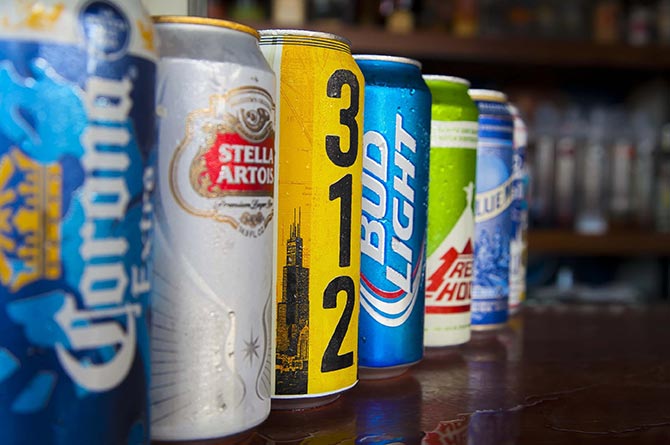
The minimum price of a unit of alcohol sold in shops has increased by 30% in Wales.
As of Thursday October 1, the minimum price has increased from 50p to 65p – bringing it in line with the rate in Scotland.
Minimum Unit Pricing (MUP) was introduced in 2020 in a bid to reduce alcohol-related deaths and illnesses in Wales. It does not affect the price of alcohol in pubs.
The plans were approved by the Senedd back in February, with the previous Welsh Government saying the increase could reduce harmful alcohol consumption and encourage more people to drink at moderate levels.
Independent research commissioned by the previous Labour-led Welsh Government found that increasing the minimum unit price to 65p could prevent more than 900 alcohol-related deaths over 20 years, and reduce the number of harmful drinkers by nearly 5,000.
Nerys Evans, who is the deputy minister for public and preventative health in the new Plaid Cymru-led Welsh Government, welcomed the changes and said: “Every one of the hundreds of lives this change could save is someone’s parent, partner or child. That’s why this matters.
“Evidence shows that the introduction of the minimum unit price for alcohol has made an important contribution in tackling the health risks associated with excessive alcohol consumption.”
Ms Evans continued: “The 50p minimum price has been made less effective by inflation, so raising it to 65p is not about punishing people who drink responsibly, it’s about closing that gap and making sure the MUP keeps doing its job by keeping high strength low-cost alcohol off the shelves.”
Andrew Misell, director for Wales at the charity Alcohol Change UK, said: “Minimum Unit Pricing targets the strongest cheapest drinks, that often cause the greatest harm.
“This new 65p Minimum Unit Price will keep big bottles of super-strength cider off the shelves, and also make it more difficult for supermarkets to offer bulk discounts, where alcoholic drinks get cheaper the more you buy. And all this without pushing up the price of a pint in pubs.”
However, the increase has been criticised by the Welsh Conservatives.
Casnewydd Islwyn MS Natasha Asghar, who is the Conservative spokesperson for health and social care, said: “People struggling with alcohol addiction need access to treatment and rehabilitation to help them rebuild their lives.
“At a time when households are already struggling with the cost of living, the Welsh Government should prioritise that support instead of making alcohol more expensive for people who drink responsibly.”
Reform have also opposed the rise. Shadow health and prevention minister, Benjamin Hodge McKenna, said it’s “further proof that Plaid are continuity Labour” – and said there is “little evidence” the policy has resulted in any “meaningful public health improvements”.
Mr Hodge McKenna continued: “As NHS waiting lists rise for the fourth consecutive month, they are more interested in pointlessly meddling in people’s everyday lives than tackling the issues that actually matter to Welsh people.”