
Support quality, independent, local journalism…that matters
From just £1 a month you can help fund our work – and use our website without adverts. Become a member today
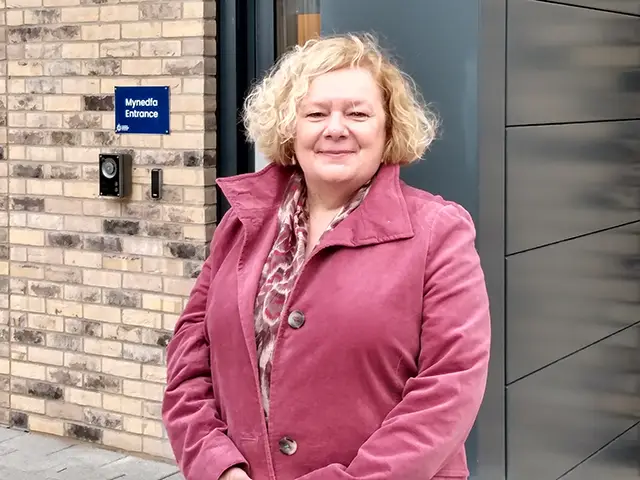
Solicitors are volunteering to discuss issues around sex and consent with pupils in secondary schools across Gwent.
Why is Caerphilly in Gwent?
Caerphilly County Borough was formed on April 1, 1996, by the merger of the Rhymney Valley district of Mid Glamorgan with the Islwyn borough of Gwent.
Administratively, for local services such as the police and health, the borough now falls under a wider region referred to as Gwent. This comprises the council areas of Caerphilly, Newport, Torfaen, Blaenau Gwent and Monmouthshire.
The initiative is being led by solicitors and supported by the area’s police and crime commissioner who, as well as overseeing Gwent Police and holding its chief constable to account, has a responsibility to prevent and tackle crime.
Jane Mudd told councillors about the programme when she answered questions from Monmouthshire County Council’s public services committee, who asked about withdrawal of school liaison visits.
The Welsh Government said it would stop funding the School Beat Cymru scheme, which involved officers from Wales’ four forces delivering lessons on substance abuse, safety, safeguarding and behaviour, to save £2 million a year from April 2024.
Ms Mudd said despite the Welsh Government-funded scheme ending, police still visit schools. She said her office is also supporting other schemes to address issues around children being victims of crime or becoming involved in crime, and attitudes around issues such as misogyny.
She said: “We are taking forward an initiative, developed by solicitors, who on a voluntary basis go into schools and talk to young people around issues of consent. It’s another way of addressing issues around misogyny.”
Ms Mudd also said: “I think to hear about consent from legally qualified persons sets that out really clearly.”
Penny Jones, a Conservative councillor in Monmouthshire, said she was concerned whether there was any link between a reduction in the school liaison visits and children being targeted by county lines gangs that bring drugs from larger urban areas to smaller towns and rural counties.
Ms Mudd said Gwent Police has a chief superintendent responsible for county lines within its five operational areas established by the chief constable, and she could get the chief constable to provide the committee with further information.
Her office also provides funding for the youth offending services in Gwent, with the aim of diverting young people away from the criminal justice system and Fearless, the youth arm of the Crimestoppers charity, also visits schools.
“They go into schools and talk to children and young people including about being able to report anonymously.
“They are not old and boring like us,” Ms Mudd told the councillors: “The people that go in, the young people are able to form more of a connection with.”
The St Giles Trust also works with children who may be at risk of involvement in serious violence or organised crime on a referral basis, said Ms Mudd.
Wales’ four police and crime commissioners and chief constables have also been working on an alternative to the schools liaison programme that is no longer funded and said they will soon put some proposals to the Welsh education secretary.
But she stressed police still continue to visit schools: “Officers continue to go into schools but not as part of that programme. I go into schools sometimes and the chief constable has visited schools with me where I’ve felt it is important he hears for himself some of the issues young people like to raise.”
Support quality, independent, local journalism…that matters
From just £1 a month you can help fund our work – and use our website without adverts.
Become a member today