
Support quality, independent, local journalism…that matters
From just £1 a month you can help fund our work – and use our website without adverts. Become a member today
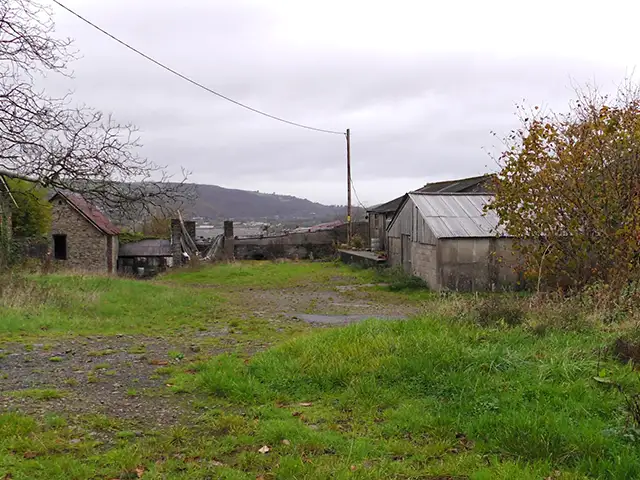
Campaigners opposing plans for a housing development at Nant y Calch Farm in Caerphilly say more information is needed about potential contamination from the neighbouring former Ness Tar plant.
Harmoni Homes – a brand of United Welsh housing association – is seeking planning permission to redevelop the farm site, off Warren Drive, for 44 affordable homes.
It argues the scheme is “appropriate and acceptable” and would “provide much-needed affordable housing in an area of need”.
But the proposals have long been opposed by campaigners who want the greenfield site protected as a nature reserve, and who also fear developing the land could increase flood risk.
Simon Lewis, secretary of the Nant y Calch Conservation Group, said: “This isn’t about opposing housing – it’s about making sure we properly understand the site before a decision is made.
“We know there is longstanding and significant contamination at the former Ness site, and that there are pathways through which contaminants can move. Independent reports have already identified these issues.”
Historic investigations of the former Ness Tar plant found significant contamination in soil, groundwater and surface water, including coal-tar chemicals such as polycyclic aromatic hydrocarbons (PAHs) as well as heavy metals.
However, the adjoining farmland at Nant y Calch has not been subject to the same level of site investigation.
A 1998 environmental risk assessment commissioned for the site by the Coal Authority identified contamination in soils and groundwater associated with the former tar works.
The report also warned that pollutants could migrate through several potential pathways, including groundwater movement, surface water flows and direct contact with contaminated soils.
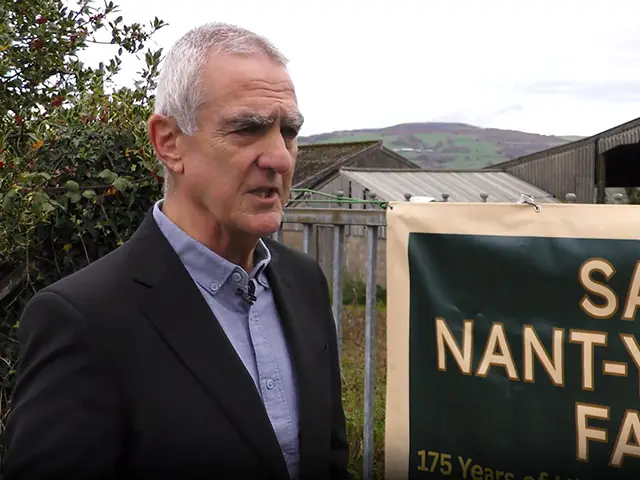
Mr Lewis continued: “We also know that Natural Resources Wales has already said further investigation is required. But we still haven’t seen clear evidence showing how contamination might move across the area, or how those pathways have been assessed in a joined-up way.
“This is not a technical detail – it goes to the heart of whether the land is suitable for housing.”
He added: “Do we have enough information to make a safe and informed decision?
This is not an argument against development. It is an argument for following proper process, established policy, and ensuring that any proposal is supported by sufficient and reliable evidence.”
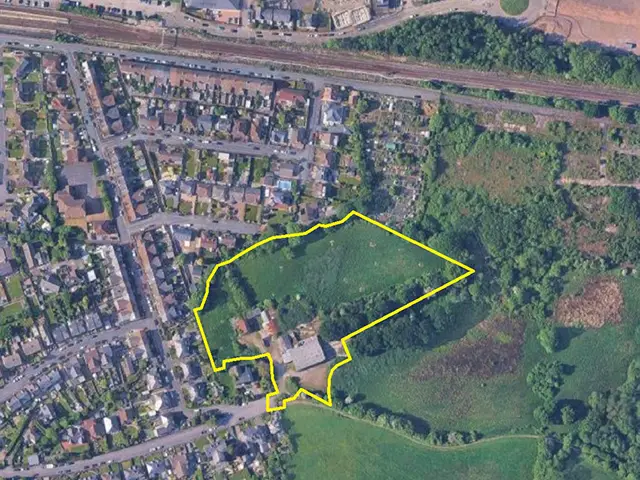
The Nant y Calch Conservation Group is arguing that clear, up-to-date, evidence needs to be seen regarding potential cross-contamination and the risks to people, wildlife, and the environment before any planning decision is made.
Once planning permission has been granted, the group said, it becomes harder to revisit whether or not it’s safe.
More than 1,000 letters of objection have been collected by the Nant y Calch Conservation Group so far.
Consultants Geraint John Planning, acting on behalf of Harmoni Homes, have already said the farm development would help “unlock” possible development of the neighbouring Ness Tar site by creating a new access road.
Caerphilly County Borough Council has already received funding from the Welsh Government to assess the condition of the site for clean-up as it has long been earmarked for housing.
Its redevelopment has been included as a project in the Caerphilly 2035 regeneration scheme, and a 2023 council report stated around 225 new homes could be built on the land.
Background: the Ness Tar Plant site

The site, located south of Caerphilly town centre near the Rhymney Valley railway line, was originally agricultural land associated with Nant y Calch Farm during the 19th and early 20th centuries.
A coal tar distillation works was established on the site in the mid-1930s to process crude coal tar from the regional coal industry. The plant produced materials including pitch, creosote, naphthalene oils and bitumen products, which were used in construction and waterproofing.
The works were later taken into public ownership following the nationalisation of the coal industry, passing to the National Coal Board and later Coal Products Ltd.
Part of the eastern area of the site was also used as a licensed waste disposal area for tar and pitch residues between 1977 and 1990.
The main tar distillation plant ceased operations in 1985, although some bituminous product manufacturing continued for a short time afterwards. The buildings and above-ground structures were eventually demolished in 1994, leaving the site largely cleared but with industrial remnants remaining underground.
Support quality, independent, local journalism…that matters
From just £1 a month you can help fund our work – and use our website without adverts.
Become a member today