
Support quality, independent, local journalism…that matters
From just £1 a month you can help fund our work – and use our website without adverts. Become a member today
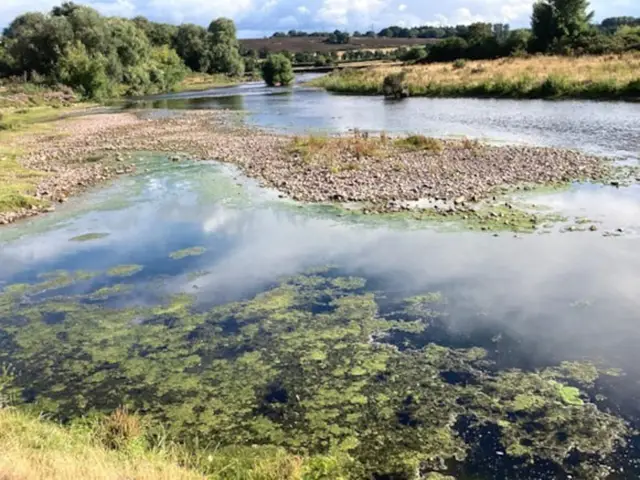
Parts of south-east Wales will remain in drought status despite recent rainfall helping other areas of the country begin to recover, environmental officials have confirmed.
Natural Resources Wales (NRW) announced that south-west Wales has moved into a “recovery from drought” status after local rivers responded well to autumn rain.
However, rivers across the south-east, north Wales, and the upper Severn remain dangerously low for the time of year and will stay under enhanced monitoring.
The update comes after a summer that saw the driest July in Wales since records began 190 years ago, followed by the driest July-August period since 1976.
As of this week, Wales has received 78% of its expected rainfall for September, but the precipitation has not fallen evenly across the country.
Rhian Thomas, sustainable water and nature manager at NRW, warned that full recovery across remaining drought zones will take time.
She said: “The heatwaves over the summer intensified the dry conditions, causing a rapid deterioration of the environment and widespread impacts to waters, soils, wildlife and habitats.
“While it’s promising to see signs of recovery, we cannot be complacent. We expect it will take time, and more sufficient rainfall into the autumn before the environment fully recovers.
“We will be closely monitoring conditions in the weeks and months to come.”
She continued: “With Wales reaching drought conditions for the last two summers, we must all be prepared for more frequent droughts in the future.
“As our climate continues to change, we expect to see a shift towards hotter, drier summers and wetter winters, with water less reliably available throughout the year.
“We are already planning for climate change in everything we do across our remit. This includes drought planning for the future and setting guidance for water company long-term planning.
“Our aim is to support a Wales which is more resilient to drought in the future.”
NRW is continuing to advise the Welsh Government’s drought liaison group on ongoing impacts, particularly regarding crop yields and the need for supplementary feeding for livestock.
Support quality, independent, local journalism…that matters
From just £1 a month you can help fund our work – and use our website without adverts.
Become a member today