
Wales has a strong economy and his home to several thriving industries. The nation is home to around 3.2 million people (as of 2023), and despite its smaller size of 8,192 square miles, the country has successfully developed many sectors locally and internationally.
Although Wales is well-known for its tourism industry, in part thanks to its national parks but also its entertainment offerings, it is also a giant in renewable energy and high-value manufacturing.
5. Tourism
The tourism industry is an important income source for Wales, as well as for the many people working in the industry. The sector is estimated to be worth around £5 billion thanks to the National Parks, UNESCO World Heritage Sites, and Areas of Outstanding Natural Beauty that draws people from around the world.
Wales is also investing in other forms of tourism, including adventure, wellness, and entertainment sectors. Adventure seekers can go rock climbing, caving, coasteering, canyoning, or ziplining to enjoy the country’s natural beauty in a more exciting manner.
The hospitality industry is thriving, with five-star casino resorts and indoor water parks, and spas becoming commonplace. Competition is becoming fierce among the hospitality providers, both physical and online. With a booming iGaming sector attracting players from across the world, many online Welsh casinos are offering bonuses for roulette players and other live dealer table games in an attempt to get their share of the market.
4. Agriculture, Forestry, and Fishing
The agriculture, forestry, and fishing sector accounts for around 1.1% of the Gross Value Added to the economy.
Agriculture involves raising poultry, cattle (for meat and dairy), sheep, and pigs, whereas the biggest crops are barley, oats, wheat, and potatoes. Unfortunately, a cooler climate limits the development of commercial crops. There are large swathes of forestry areas for timber, managed by the Forestry Commission.
Being a coastal nation, it’s no surprise that the fishing sector is performing well. The biggest fishing port is Milford Haven, and commercial catch includes skate, cod, clams, and lobsters.
3. Power and Resources
Wales doesn’t have a lot of natural resources. The coal mining industry is no longer thriving, although coal and anthracite are still being mined to fuel the Aberthaw power plant and Port Talbot steelworks.
The nation has invested successfully in renewable energy, with the industry valued at £46.8 billion. This investment can be seen by the multiple hydroelectric power projects. The energy generated is used by industries and residents in Wales, as well as in some areas of England.
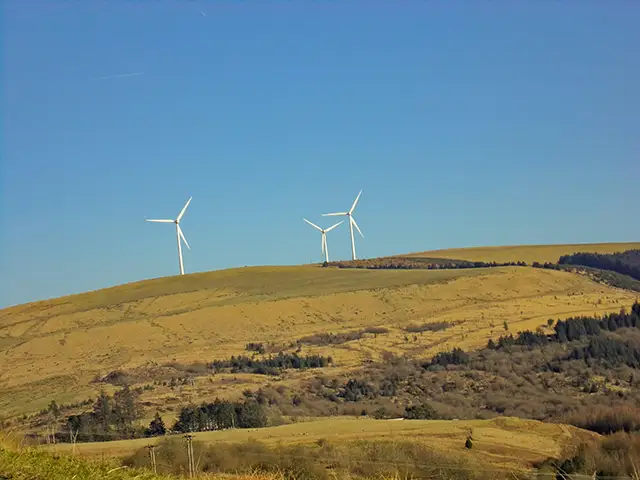
The highlands are home to electricity-generating wind turbines, and there are also several new marine energy initiatives that are gaining momentum.
2. Financial Services
The financial services sector is a major industry in Wales. The country is home to large FinTech companies, like Monzo, Starling Bank, Sonovate, and Delio. Wales also hosts some of the biggest online insurance comparison sites, like GoCompare and Moneysupermarket.
The rise of FinTech is in part due to programs at the University of South Wales’ Centre for Financial and Professional Services as well as the National Software Academy. These programs encourage innovation in a younger generation and attract some of the brightest minds from across Europe. FinTech Wales, an independent membership association, is also dedicated to creating an ecosystem where individuals and businesses in the industry can thrive.
1. Manufacturing
Manufacturing contributes almost one-third to Wales’ economy. The country is producing materials and products for the automotive, electrical, chemical, and aerospace industries, in part thanks to the bright minds at the eight universities in the country.
Academics are applying what they’ve learned to develop new energy and fuel technologies, like the development of hydrogen fuel for cars at the University of South Wales.
Conclusion
Although many people associate Wales with moorlands and rugged coastlines, this country has a strong economy due to the many successful industries operating there. Although tourism and entertainment is a big contributor to the country’s coffers, the power and manufacturing industries are also thriving thanks to the opportunities created by Welsh universities that attract people from across the world.