
Support quality, independent, local journalism…that matters
From just £1 a month you can help fund our work – and use our website without adverts.
Become a member today

Changes to how public services are funded in Wales should not mean areas like Caerphilly lose out, according to the county borough council’s leader.
Cllr Jamie Pritchard has written to the new Plaid Cymru Welsh Government asking ministers to “rule out real-terms cuts to local authorities” to fund the party’s election pledges, including expanded childcare support.
The new government has also set out plans to review how the nation’s 22 councils are funded, to ensure “it reflects the real cost of delivering services in different parts of Wales”.
Sian Gwenllian, Wales’ local government minister, told the Senedd her party would “ensure that our local authorities are in the strongest position possible to provide the services on which all of us depend”.
Cllr Pritchard said he was “committed” to expanded childcare if it was funded by the Welsh Government.

But he pointed to an Institute for Fiscal Studies (IFS) comment on Plaid’s Senedd election manifesto, which warned the party’s spending plans could “deepen the cuts faced by unprotected services” or lead to higher devolved taxes.
Speaking at a council meeting after Plaid won the election, he said he had asked new first minister Rhun ap Iorwerth to “rule out real-terms cuts to local government and other non-statutory services, following the warning from the [IFS]”.
“You would expect me to seek clarity following these warnings, and so will I be seeking clarity on the new government’s potential changes to the local government funding formula – any changes to the formula can not be at Caerphilly’s expense,” he told councillors.
Invited to respond to Cllr Pritchard’s comments, a Welsh Government spokesperson instead pointed to Ms Gwenllian’s Senedd speech on her priorities for local government.
“We must make sure the way we fund local government is fair across Wales, so that they can respond to the numerous challenges that they face,” said Ms Gwenllian. “Therefore, we’re already reviewing the local government funding formula to ensure that it reflects the real cost of delivering services in different parts of Wales.”
The minister added: “We need to reduce bureaucracy and processes, and focus on delivery, making sure that we work together to make the best use of funding, and we need to empower local government to use its core funding better.
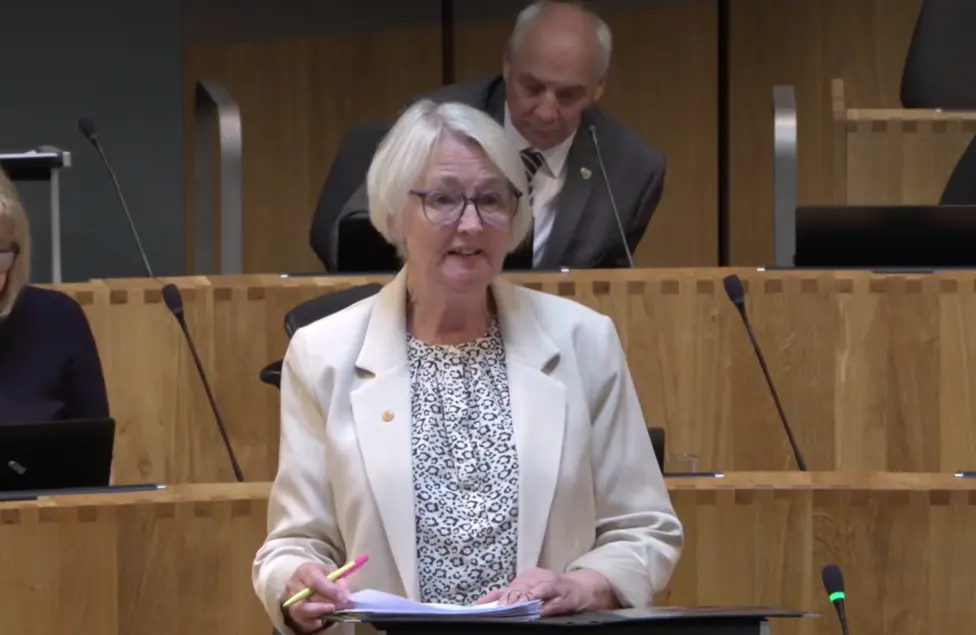
“I want to work with local government to support and enable councils to find their own solutions and by working together towards long-term sustainability, and that’s by looking at how things can be done differently, working with them and listening to them to understand what works.”
Caerphilly Council has faced criticism over some of its own money-saving proposals, but has defended cuts as being necessary to plug its multimillion-pound budget shortfalls while keeping key services running.
Local authorities in Wales are mostly funded by Welsh Government settlements based on criteria including population forecasts, and Wales in turn receives its own pot of funding from the UK Treasury.