
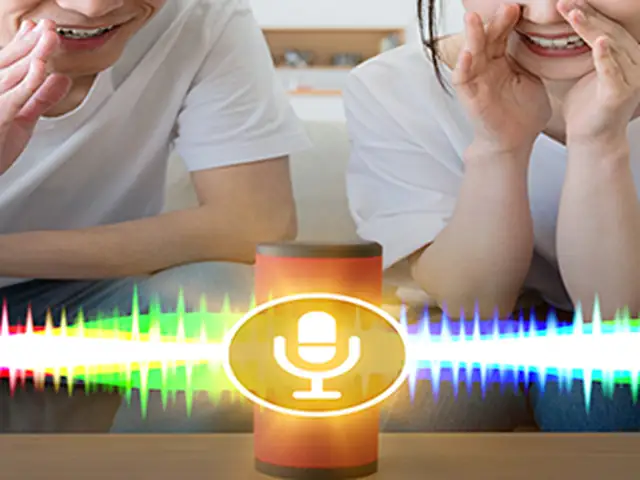
Technological breakthroughs have changed human relationships. Voice recognition is a major development. Talking to gadgets is familiar. Talking to devices has become natural. Voices control lights, locks, phone instructions, and smart speaker music. Millions use voice recognition every day, but it started as a plodding, optimistic endeavor.
First Steps and Early Tests
It took a long time to make voice recognition work. It was the result of many decades of study and work to make it better. In the 1950s, the first machines that tried to understand human speech were made. They were pretty simple. They were only able to understand numbers or a small amount of words when they were pronounced very clearly. They didn’t work when people talked like normal, used different accents, or spoke very quickly.
Computer scientists desired real-language systems. New statistical models let computers learn speech patterns instead of sounds in the 1970s and 1980s. Though more versatile, the technique was too sluggish for daily usage. Everything feels different now. Voice search lets people rapidly discover what they want on their phones as they do with friends. Voice input simplifies and saves time while searching for entertainment bonuses, including the 150 free spins no deposit offer for Kiwi slot fans, which many users explore while comparing promotions or testing new gaming platforms.
Voice recognition software could be used on home computers by the 1990s. But it had to be trained. The system needed to hear a lot of repetition of different lines in order to learn each person’s voice. It still made many errors at that point. For this reason, it was mainly used by experts like doctors who called out notes on medicine.
The Internet Age Changes Voice Technology
Internet and mobile phone popularity changed everything. Voice processing could be done through strong online computers instead of just depending on a local computer. Cloud tech made things faster and more accurate. Mobile devices also gave people a reason to use voice commands, like when they wanted to do quick searches or send texts without typing.
Apple, Google, and others realized the potential. Apple introduced Siri to the iPhone in 2011. Though easy, it seemed like the phone had a personal assistant. After voice search, Google Assistant was included. Many soon become accustomed to conversing on their phones like actual people.
Because it was easy, people talked to their electronics. Typing on a tiny screen is difficult, especially when walking or multitasking. Voice resolved this issue. It also offered handicapped persons technology to communicate and operate devices without touching them.
Smart Speakers Make Their Way into People’s Homes
The next milestone came when voice extended beyond phones. Amazon launched the Echo smart speaker with Alexa in 2014. Voice recognition debuted at home. Users may play music, set notes, order products, and ask Alexa about the weather. Handwork was no longer needed for many tasks.
Other companies followed suit. Google Home and Apple HomePod spawned more smart devices. Family-only voice searches for fast information are gone. They controlled smart thermostats, lighting, and kitchen appliances.
Voice recognition made things easier and more pleasant. Voice instructions would work for kids and seniors, who struggle with intricate technology.
Why Today’s Voice Recognition Is So Effective
Today’s computers comprehend speech better than before. Machine learning and big data made this growth possible. Voice assistants improve with each audio clip. They adapt to voices, noises, and languages.
These tools are crucial to speech recognition:
- Machine learning models that get better with training.
- Natural language processing that knows what words mean and not just how they sound.
- Cloud computers that can quickly process even complicated requests.
- Noise cancellation that focuses on a person’s voice when it’s noisy.
- Intelligent microphones that can find and isolate sounds in the same space.
Thanks to these technology upgrades, voice commands work in a smooth and natural way. When technology works quickly and correctly, people have more trust in it.
Daily Examples of Voice Use
Smartphones and speakers are not the only devices that use voice detection. It can be used in a lot of different situations every day where you need to connect with something without using your hands. For instance, drivers stay focused on the road by talking to their car’s guidance system. To speed up email writing, office workers use voice typing. When people travel, they use voice translation apps to talk to people in other countries.
Voice is now used by people in these places:
- Making calls and texting on cell phones.
- Managing smart home gadgets and home entertainment systems.
- Getting around in cars and planning routes.
- Browsing the internet hands-free Voice shopping online.
- Using your voice to write at school or work.
- Using gadgets to help with accessibility needs.
Voice is versatile, therefore many disciplines utilize it. Banks and customer service centers employ voice verification for safety. Voice-to-text technology saves healthcare personnel time while drafting patient notes. Everyone may now communicate by voice.
How Assistants Impact Society and Culture
Voice assistants are celebrities. Siri, Alexa, and Google Assistant have distinct personalities. They answer jokes, provide fascinating facts, and tell tales. Tech feels more human than robotic.
Voice technology also altered behavior. Many say “Hey Google” or “Alexa” carelessly. Voice commands now feel like computer taps. Growing kids may prefer chatting to typing.
This shift illustrates social change. People demand faster communication. Their tech should behave like people, not robots.
How the Future Might Be
Voice recognition is projected to expand, say experts. People can soon converse to most nearby devices. Smart homes, automobiles, companies, hospitals, and public spaces will support voice instructions. The discussion will sound more natural. Instead than telling technology things individually, people may converse about it.
Artificial intelligence will let devices grasp speech, tone, emotion, and context. When a person is stressed, voice assistance may suggest calming music. It can distinguish persons and adjust settings appropriately.
Voice works with other instruments. People might control employment with their voices and hands. It is even more difficult to distinguish technology from daily living.
Conclusion
Voice recognition technology has advanced a lot since the days when it could only understand numbers. Cloud computing, AI, and mobile devices made it a universal tool. Voice recognition simplifies, connects, and improves our homes, automobiles, jobs, and hospitals.
Talking to devices is widespread. A daily habit that saves time and simplifies technology for everyone. Smarter voice systems will change how people live, work, and communicate. Things that seemed like science fiction are now commonplace.