
Support quality, independent, local journalism…that matters
From just £1 a month you can help fund our work – and use our website without adverts.
Become a member today
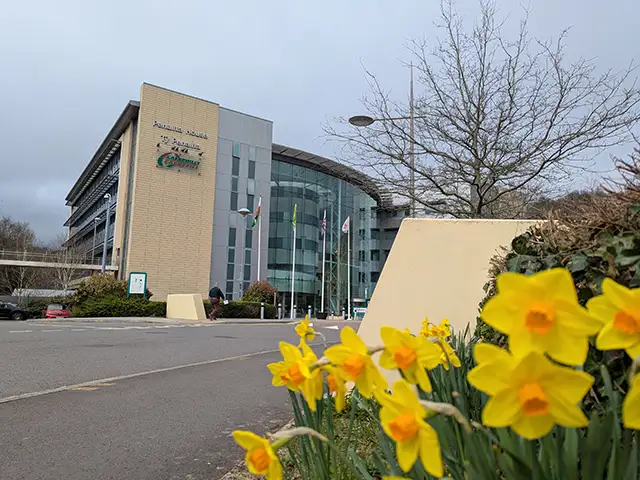
New biodiversity rules may not be enough to stop developers gaining an advantage before submitting planning applications, councillors have warned.
Caerphilly County Borough Council’s environment committee has backed a new plan for nature recovery, designed to “protect, restore and enhance” biodiversity.
Cllr Chris Morgan, the council’s cabinet member for green spaces, said once the council adopts the new plan, it would become a “material consideration” in planning decisions.
But Cllr Judith Pritchard said she worried the local authority hasn’t “got much of a system of enforcement” to deal with developers seeking the upper hand.
“It’s not been unknown in the past for landowners who want to get planning permission to make sure that any valuable ecological features disappear,” she said.
“Unfortunately, we do have some situations where people think it’s clever and better on the pocket to clear a site before they submit a planning application,” said Margaret Iles, from the council’s countryside service.
“But there’s new legislation that’s come into force… so it’s easier for the council to claw back mitigation for what’s been lost prior to a planning application coming in,” she explained.

“There are ways of trying to claw back the damage that’s already been done, but unfortunately there are gaps in the legislation where some of these sites are cleared prior to submissions.”
Cllr Pritchard suggested the planning department may need some extra staff if it was to properly enforce the new rules on biodiversity.
Another committee member, Cllr Adrian Hussey – who also sits on the planning committee – told colleagues he “still can’t get my head round when retrospective planning permission is given” for developments.
“I can’t really say I’ve ever known the authority telling somebody they’ve got to take down a house,” he said. “If you’ve got developers clearing the land, they can’t plant a 200-year-old tree back, can they?
“I don’t know what punishment they’d get. Personally I’d say they can’t have planning permission, but that isn’t my call.”

Cllr Andrew Whitcombe, chairing the meeting, said such feelings were “a common thread for us all” on the planning committee.
Approved plans for “quite large” developments could sometimes be “contradictory” to the council’s environmental commitments, Cllr Shane Williams said.
The recognition of biodiversity matters is “about mitigation more than anything, when it comes to planning and building on land”, replied countryside officer Tanith Stephens.
She said the council could require developers to provide “appropriate enhancements for biodiversity”, such as bird boxes and wildflower patches in gardens.
“It’s about enhancing what we can, and helping what we can,” she said.